The Quality Wars: What Creatives Must Fight For
Based on my talk at the Digital Agenda summit (Agenda Cyprus Summits), Nicosia Municipal Theatre, 14 October 2026.
On 14 October 2026, Agenda Cyprus Summits brought a full day of talks on artificial intelligence to the Nicosia Municipal Theatre. Digital Agenda 2026 gathered authors, scientists, entrepreneurs, policymakers and artists from Cyprus and abroad. The programme moved from the race to AGI and the geopolitics of energy, chips and the cloud, through AI's place in government, finance and advertising, to Cyprus's own future with the technology. Cypriot start-ups presented their work, and Dr Loizos Loizou received an award for his work against childhood cancer.
I spoke in the late afternoon, just before the panel on AI-driven creativity, which I then joined. After a day of big numbers and big futures, my aim was to talk about something smaller and more practical: what people who make things, designers, artists and illustrators, should actually fight for. This article follows the talk and expands a few points I had no time to develop on stage.
This is not a war
I opened the talk with photographs of real wars. People who have lived through war find it hard to speak about it. War means pain, destruction and decline.
What is happening with artificial intelligence is not a war. "AI wars" works as a catchy title for an event like ours, and as a strong metaphor, but nothing more. War against machines belongs in science fiction. That is beautiful literature, and even there the good writers, Arthur C. Clarke among them, use machines to talk about us humans.
We give names to our pets, our cars and our boats. I used to call my Mac "Ornela". Now machines speak our language, which makes the temptation to treat them as people even stronger. But machines are not us. They are not human.
A long love affair with machines
Some people take me for an enemy of technology, a Luddite even. The truth is the opposite.
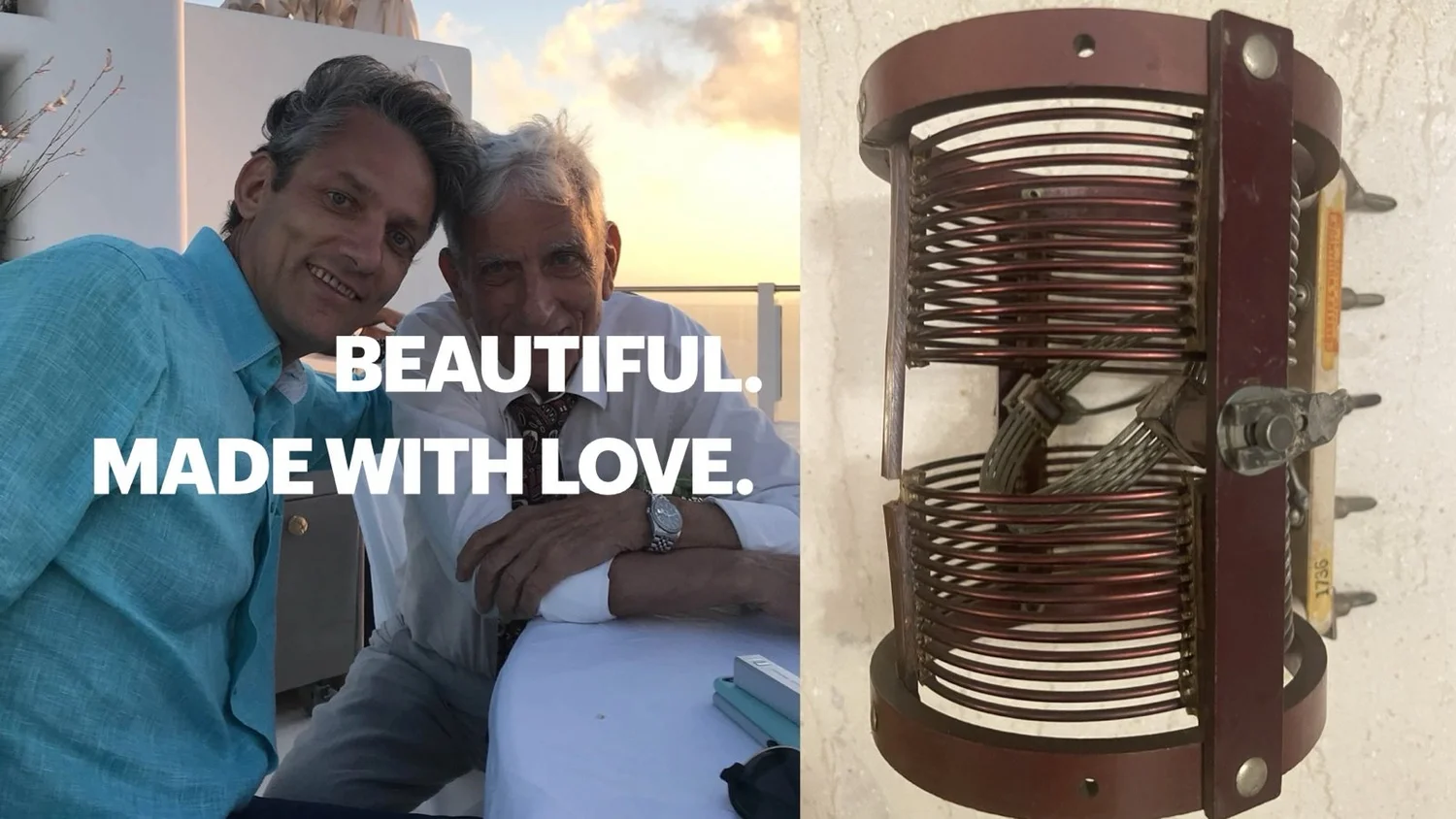
My relationship with machines began with my father, who was an engineer. From the time I was a small child he taught me that machines are not cold. They can be beautiful, and they can be made with love.
In the early eighties, when I was in high school, computers belonged to scientists and geeks. I was an artist and a bit of a rebel, so computers were not for me. Then in 1985 my father brought home a Mac. "It's for you," he said. "A computer for artists."
At fifteen my favourite class was physics, and that is where I first heard the word cybernetics, the name of the field that later grew into what we now call AI. I asked my father what it meant. He gave me the barrel organ as an example, the instrument Greeks call λατέρνα: music written as a program. That was the first time I thought about algorithmic art.
During college my first job was at a newspaper. There I met two technologies that shaped everything I did afterwards: lithographic reproduction and fax imaging. I remember staring at halftone pictures arriving over the fax, and learning the endless ways printing builds tones and colours out of tiny textures and patterns. My relationship with mosaics and machine art started right there.
Towards the end of the century I came across A.L.I.C.E., one of the most famous chatbots of its time. It was written in AIML, a language based on XML. It was rigid and needed a great deal of human input, but it taught me a lot. Its syntax and architecture were symbolic, like a very simplified brain. Building conversations for it taught me something I have kept ever since: the teacher learns more than the student. Machines have always taught me something about our own minds, how memory works, how we find patterns, and how many ways there are to ask a question.
It's software
Then came the ChatGPT moment. Human–computer synergy, the imitation of thinking in machines, automation and workflows are not new goals. History has many stories of people falling in love with far more limited machines, such as ELIZA in the sixties. This time, though, we are living through a real frenzy, and it is sold to us in the vocabulary of tragedy. That is a strange way to sell technology.
The technology itself is not to blame. Its name is part of the problem: "artificial intelligence" was coined by John McCarthy in a 1955 proposal to fund a summer workshop at Dartmouth. There is still no single definition of intelligence that scientists and scholars agree on, and when you read the main ones you find AI in them only as a metaphor, the way you find it in science-fiction films.
What we call AI is software. It can be beautiful, complicated, helpful and surprising, but it is a program. If it says "weekends are nice to spend with friends", that is because it has read the sentence many times. It does not know what a friend is, and it does not have one.
The everything machine
The people building the largest models are doing a poor job for all of us, and for themselves. Their goal is an everything machine that replaces humans. The idea comes straight out of science fiction and some odd ideologies: transhumanism, extropianism, singularitarianism, cosmism, rationalism, effective altruism, longtermism. Look them up. You will laugh and cry. What they sell is an oracle, like the ones in Isaac Asimov's books, that can answer every question.
Their business model also looks very risky. The cracks are already visible: companies losing money with no clear plan to ever make a profit. They have promised to cure cancer, solve climate change and make us all rich. Meanwhile their data centres pollute as if there were no tomorrow, and what they actually promise most people is unemployment and the taking of their intellectual property.
More recently, to prove how important they are, they want us to believe their technology is so powerful it could kill us all and turn the world into paper clips. I do not buy it. Software does not kill. These models are not rogue and they do not escape. When they cause harm it is because they were badly programmed, badly prompted, or released without basic safety guardrails. The same warnings were made about GPT‑2. The same people also told us that NFTs would be valuable and that we would all buy property in the metaverse with crypto.
AI is much more than chatbots
I am not saying this as a hater. I pay these companies more than €500 a month. I use their tools, I enjoy them and I value them. I just do not idolise them. I also know that my €500 buys tokens that would cost many times more at their real price, because this very expensive technology is currently subsidised. So I use it while it lasts. I think it is a bubble. The technology is real; the arrangement is not sustainable.
AI is also much more than large language models. For a visual designer, vision models are often more interesting and more useful. Computer vision has been around for decades, and generative procedures are far older than computers. That is why I study and use local, open models too. I don't use them because they are free. I use them because they are dedicated to one job. Vision models that recognise people and objects are tiny and powerful, and they have uses across industry, medicine, the arts and the sciences.
Even the most famous scientific success of AI points the same way. AlphaFold, which earned Demis Hassabis and John Jumper a share of the 2024 Nobel Prize in Chemistry, is not a supermachine. AlphaFold 2 has fewer than a hundred million parameters and does one thing: it predicts protein structures.
We have been here before
As someone who loves history, I recognise this moment. We are living through the seventies again. In 1977 Ken Olsen, founder of Digital Equipment Corporation, is reported to have said that there was no reason for any individual to have a computer at home. Some people believed then that the future belonged to one giant machine. They lost to a small machine on a kitchen table.
I am not arguing that data centres and supercomputers have no future. They will always be needed. But not to mass-produce cat videos or draft our horoscopes, because in the end nobody will pay what that really costs.
Many real problems are already being solved by smaller, specialised models. Look at DINO and SAM for vision, or at Cicero, which plays the negotiation game Diplomacy. Even inside the big labs there are scientists working on other ideas: distributed AGI, world models, neuro-symbolic systems, JEPA. Different problems call for different models.
Practical advice for creatives: three pillars
That is enough anger. The more useful question is what this technology is good for, and how we creatives can use it to our benefit. My strategy rests on three pillars.
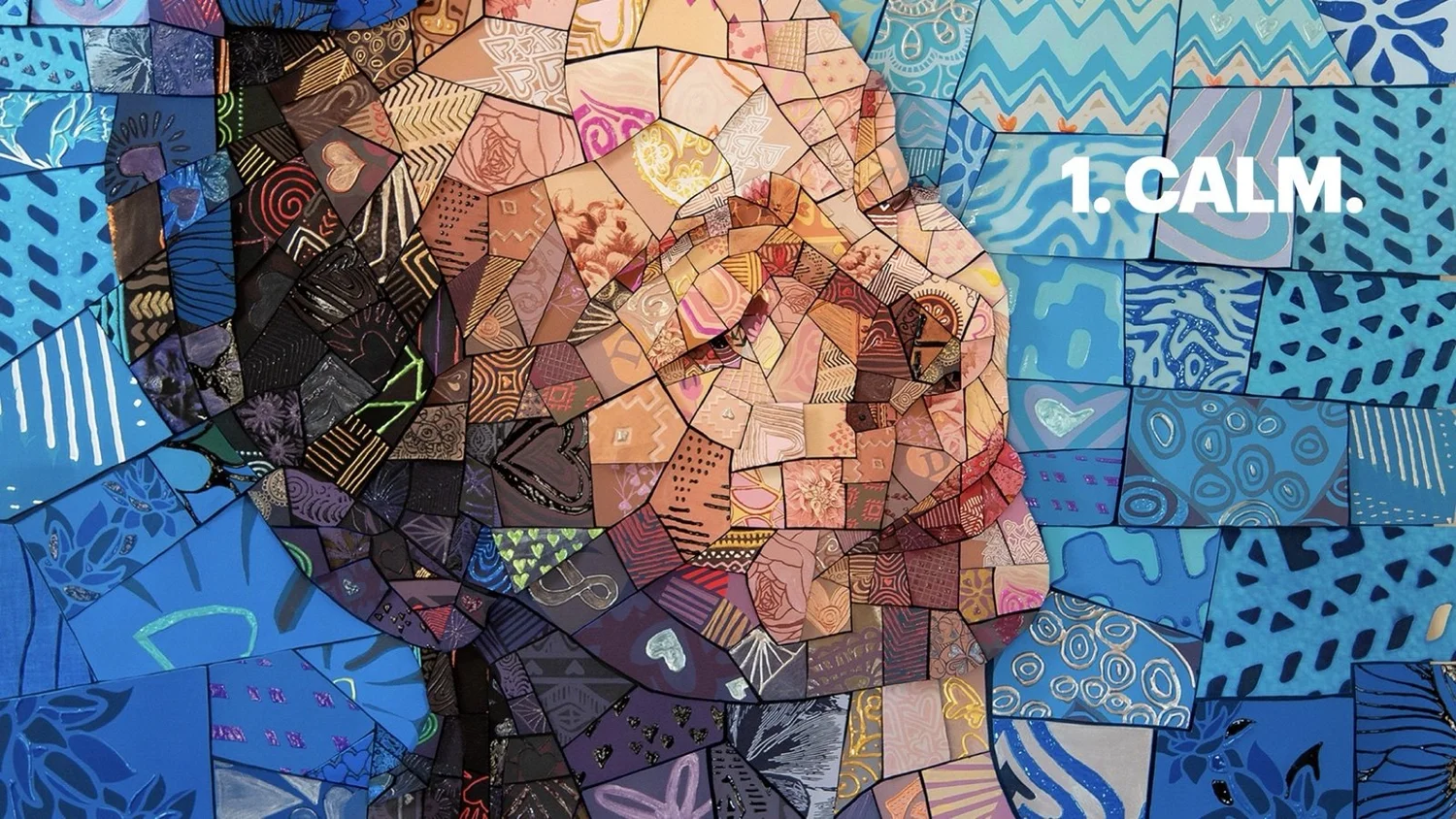
1. Calm
The first is to stay calm and ignore the frenzy of tech-industry marketing.
Humans are not competing with machines. That would be like racing a car on foot, when machines are built precisely to have that advantage. I go further: I don't compete with other people either. There are billions of us and many are better than me. I compete only with myself, and I try to be useful and worth what a client pays me.
2. Useful assistance
AI is excellent when it works inside a specific, narrow, bounded domain. Chess programs have been beating the best human players for decades because chess has clear rules and stays within its limits. The same is true of Go and of any domain with clear rules.
Programming is one of those domains. You can, in principle, gather all the code humans have written into one database. You can never do that with everything humans have said and written. So as a creative, the main thing I use AI assistance for is building my own tools.
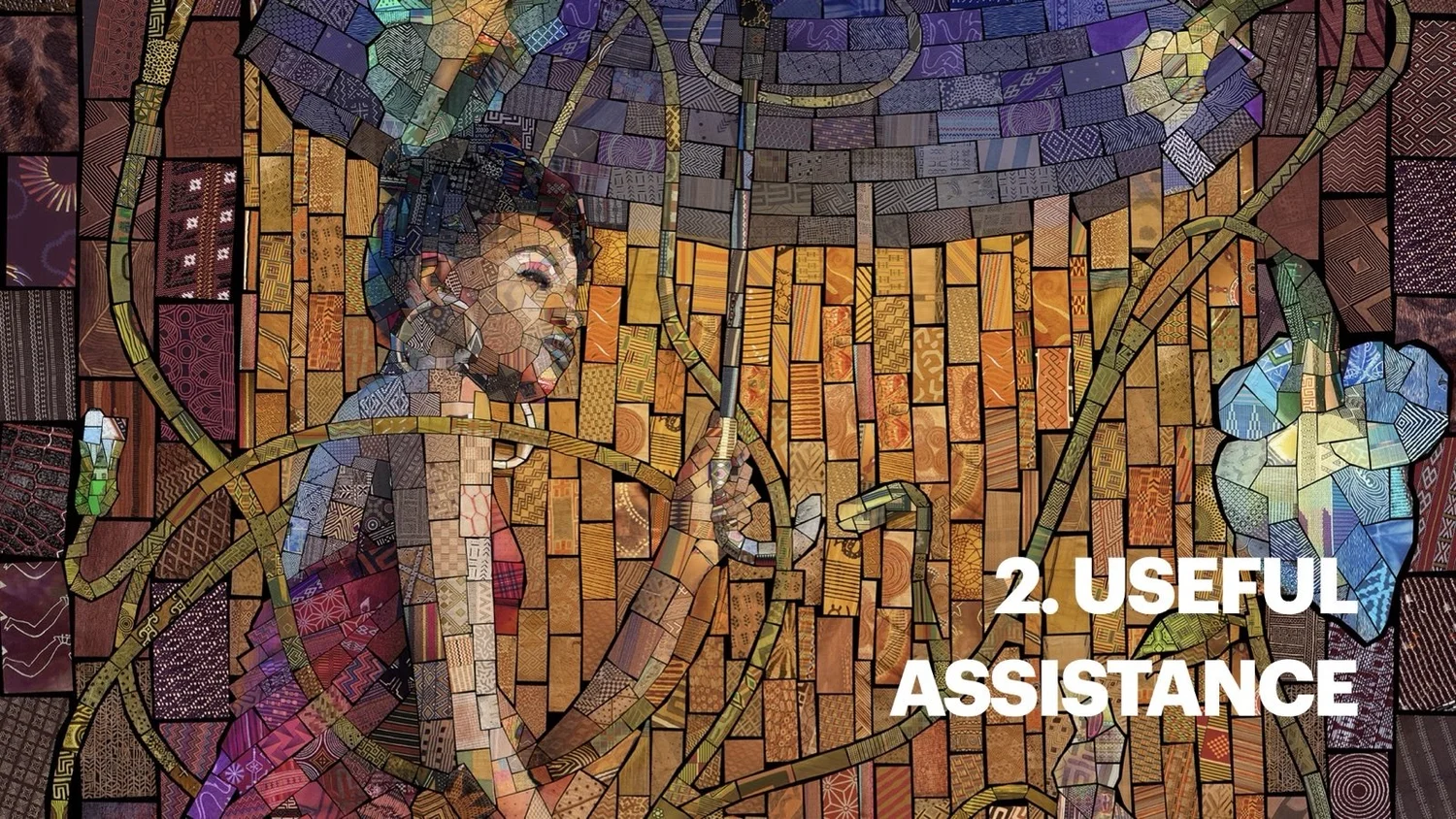
There are two kinds of tools. The first kind automates boring, time-consuming work. One example is Skiagrafia, which splits images into layers and masks. Its vision model has three billion parameters and runs on an ordinary laptop. My mosaics need thousands of tiles, and for years much of my time or money went into masking and clipping paths. Now I can ask the program to find every person, every computer or any other object across a folder of thousands of images and make the masks while I sleep. Another tool, LocalGit Studio, manages dozens of parallel coding sessions and lands them safely on GitHub or GitLab. I also have many small tools that cut large pattern sheets into parts, convert images and sort thousands of tiles by colour, brightness and subtler colour properties. I build the tools I could not find.
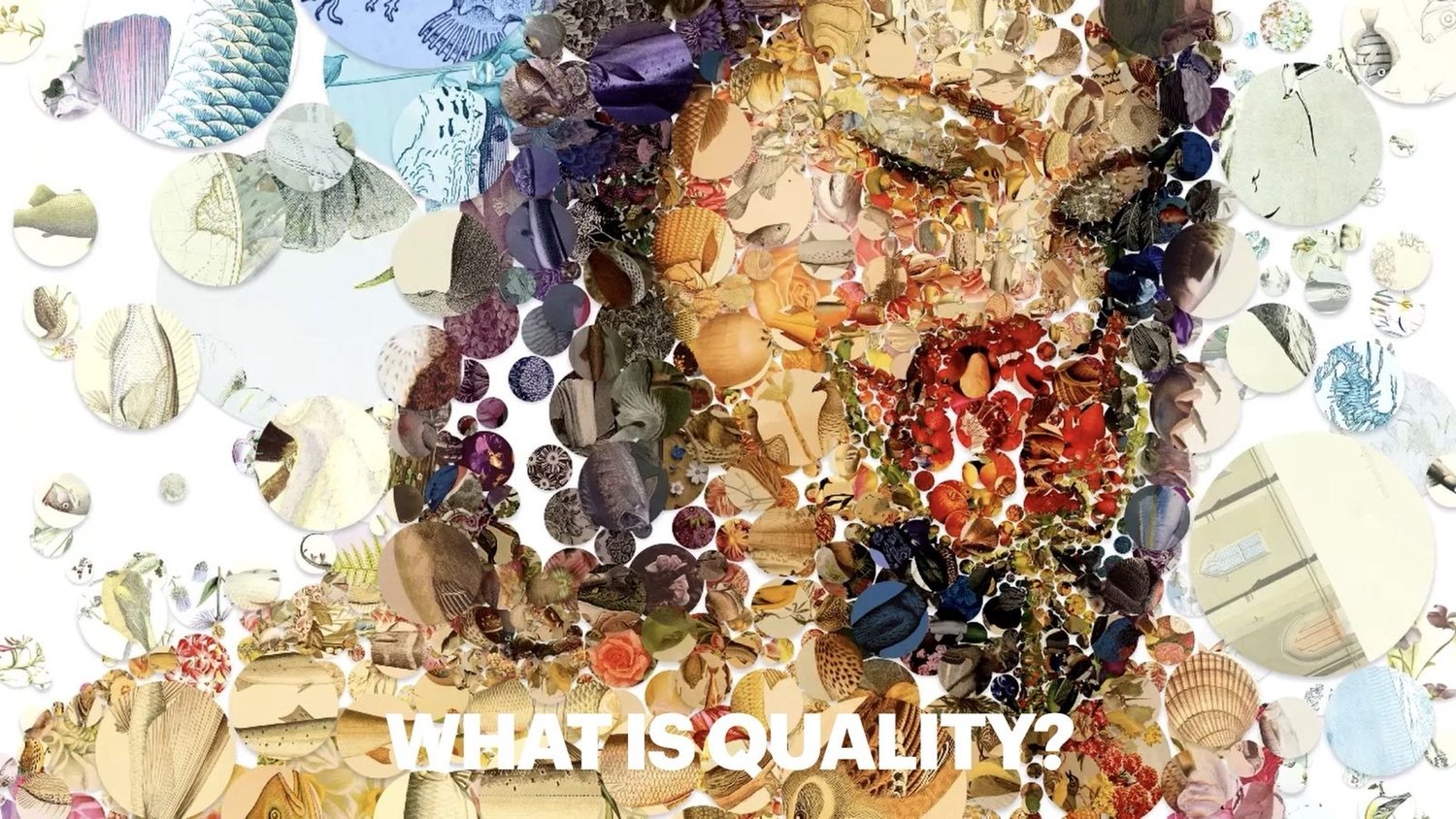
3. Quality
The third pillar is the one that matters most, and it is what creatives must fight for.
Everyone talks about automation. I understand why, since it is useful and we should all use it. But nobody has ever made a real difference just by automating boring, repetitive work. Quality is what makes the difference.
The dictionary defines quality as what meets the need, the expectation, the purpose a thing was made for. In practice, for me, quality means reaching new heights in the field I have given my life to: mosaics. This ancient art is a subject you never finish studying, and each stage of the process offers its own way to improve.
- The source image. Mosaics need strong contrast and clear, well-defined subjects. I spend hours preparing images and repainting them again and again to isolate every detail. For that I built Tsevis Enhancer, which is still a work in progress but already improves images considerably.
- The tile database. This is a world of its own. Mosaic history and art history open countless directions: the seventeen possible types of wallpaper symmetry, and whole systems of pattern-making drawn from different schools and cultures.
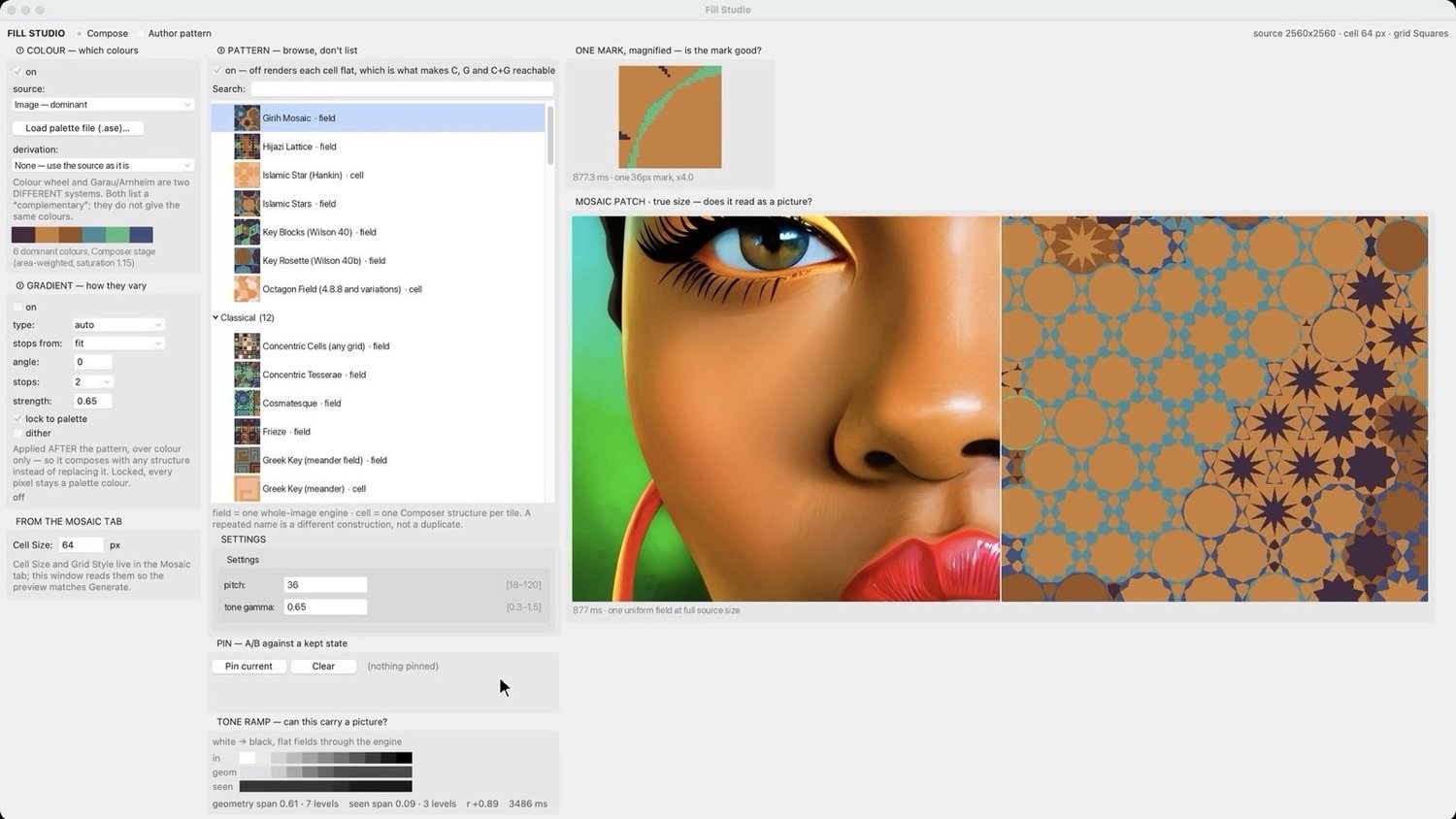
- The division of the surface. For years I have worked on the grid systems in Mozaix, my mosaic engine. It now knows more than 250 ways to lay tiles, drawn from Islamic geometry, Gaudí, Gothic windows and Japanese optical illusions, and I have not reached ten per cent of what I have planned. It is a long journey through geometry, art, history and anthropology. Having 257 styles proves nothing by itself, though. What matters is why you choose this grid over that one. The tool offers options, and only a person gives them meaning.
- The matching algorithms. This is the real science of mosaics. Four years ago I used three basic approaches and was looking for the ultimate algorithm. There is no such thing. As with models, programs and technologies, different needs call for different solutions. Today I have thirteen core matching algorithms, and I believe I was among the first to use machine-learning models for this problem. I am already dreaming of the next one.
Language models have helped me enormously with this. I am not good at mathematics, physics or biology, and I cannot follow every paper I read. LLMs make mistakes, and they may not raise anyone above average. But if you know nothing about a subject, reaching an average understanding is already a huge step. They explain the sciences I never studied and point me to sources I can check. Being helped in a science I am bad at is wonderful. Believing I have become a scientist would be ridiculous: the machine flatters, and reality does not.
So my advice is to forget "prompt engineering". A language model holds a chaotic knowledge of everything and nothing. Help it by giving it the scientific papers, the images and the studies on your subject. To me, research sources and libraries are as valuable as the models, if not more.
Run deep research again and again. Get used to returning to the same problem and improving it one step at a time. Patience and persistence are the qualities you need most. AI is not a magic oracle and it is very limited, but in a real human–machine collaboration you can go far. It should not be treated as a clever servant. On its own it is lazy and superficial, and without your persistence it will not get very far.
Your own brain, on your own machine
The next step is to build your own models. Every one of us has valuable data and can build a system that makes use of it.
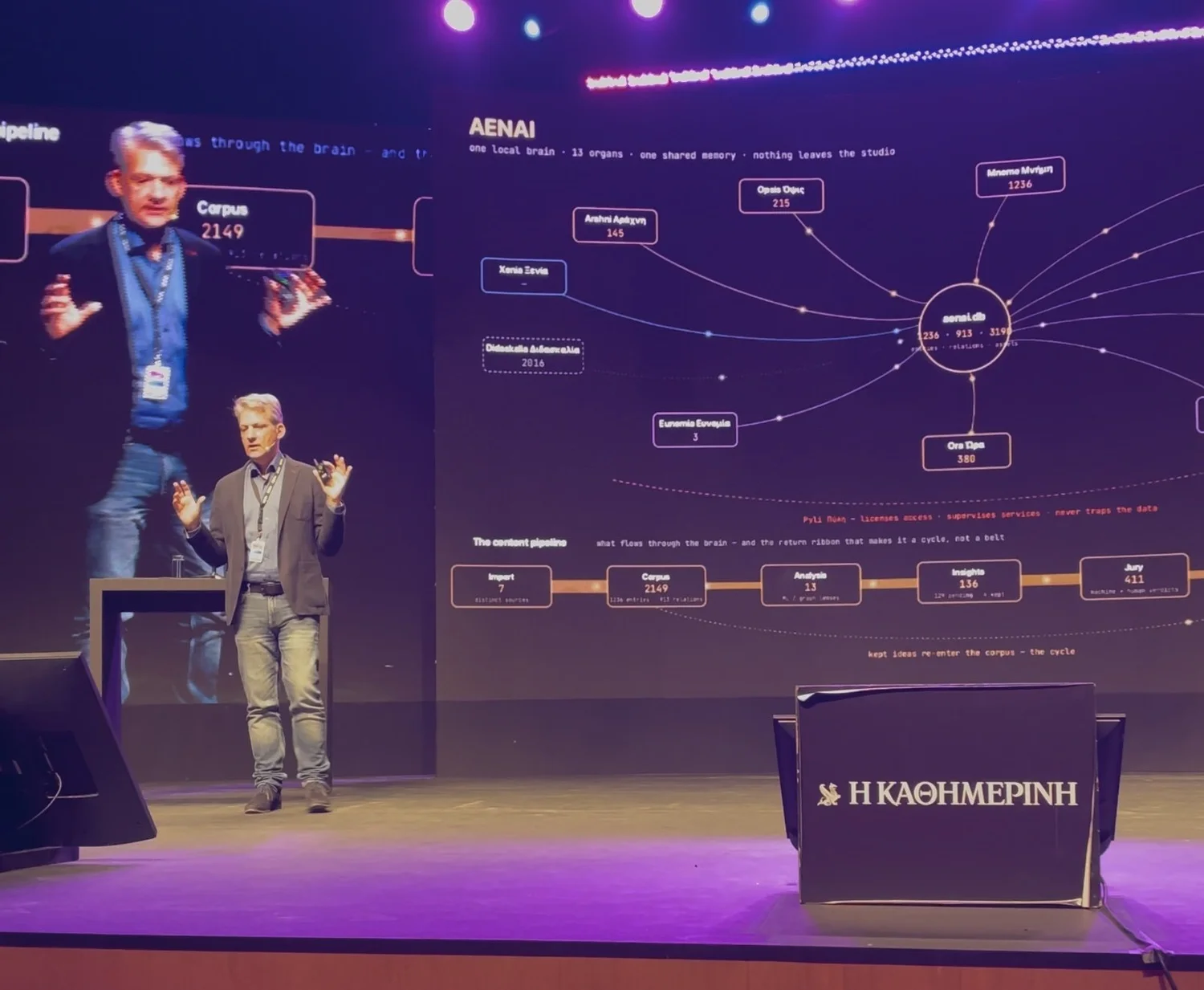
I built AENAI, a digital brain for my studio that runs on my own machine: thirteen small organs sharing one memory. At its centre is Mneme ("memory"), the single source of truth, where everything the studio has ever made lives in one place that I own. Every business has its own memory, its own taste and its own secrets, so why rent a brain made for everyone? AENAI manages my data and trains a system of deterministic, measurable, repeatable algorithms. My goal is to build creative idea-generation tools grounded in the theories of James Webb Young and Bruno Munari, with concepts that grow from my own archive rather than from the internet's average.
Local models are more limited and slower, but they keep improving. I remember what the early frontier models were like.
Connecting things
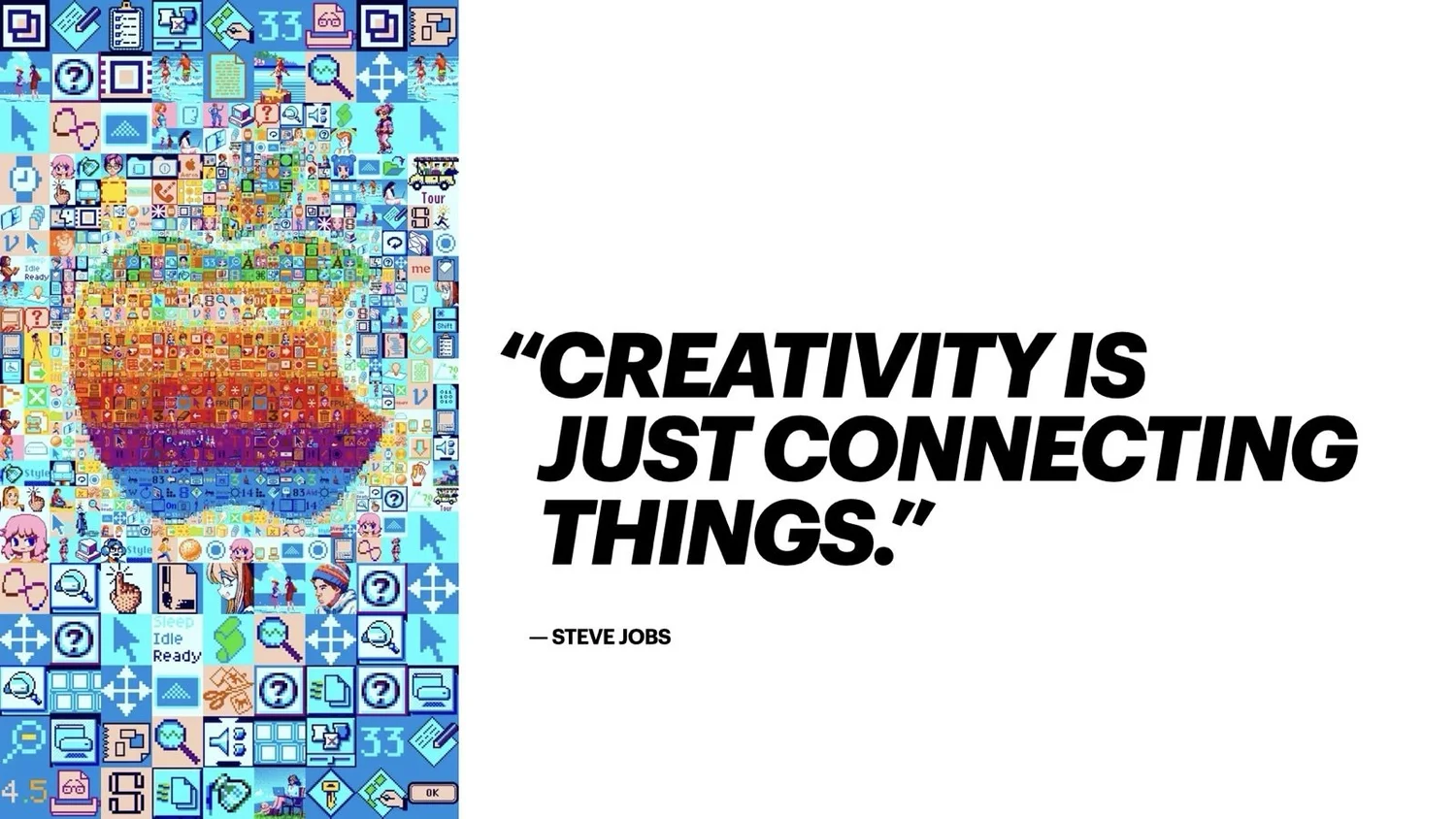
Steve Jobs said that creativity is just connecting things. In my work that means connecting places and people. A city is made of its people, and people are made of their cities.
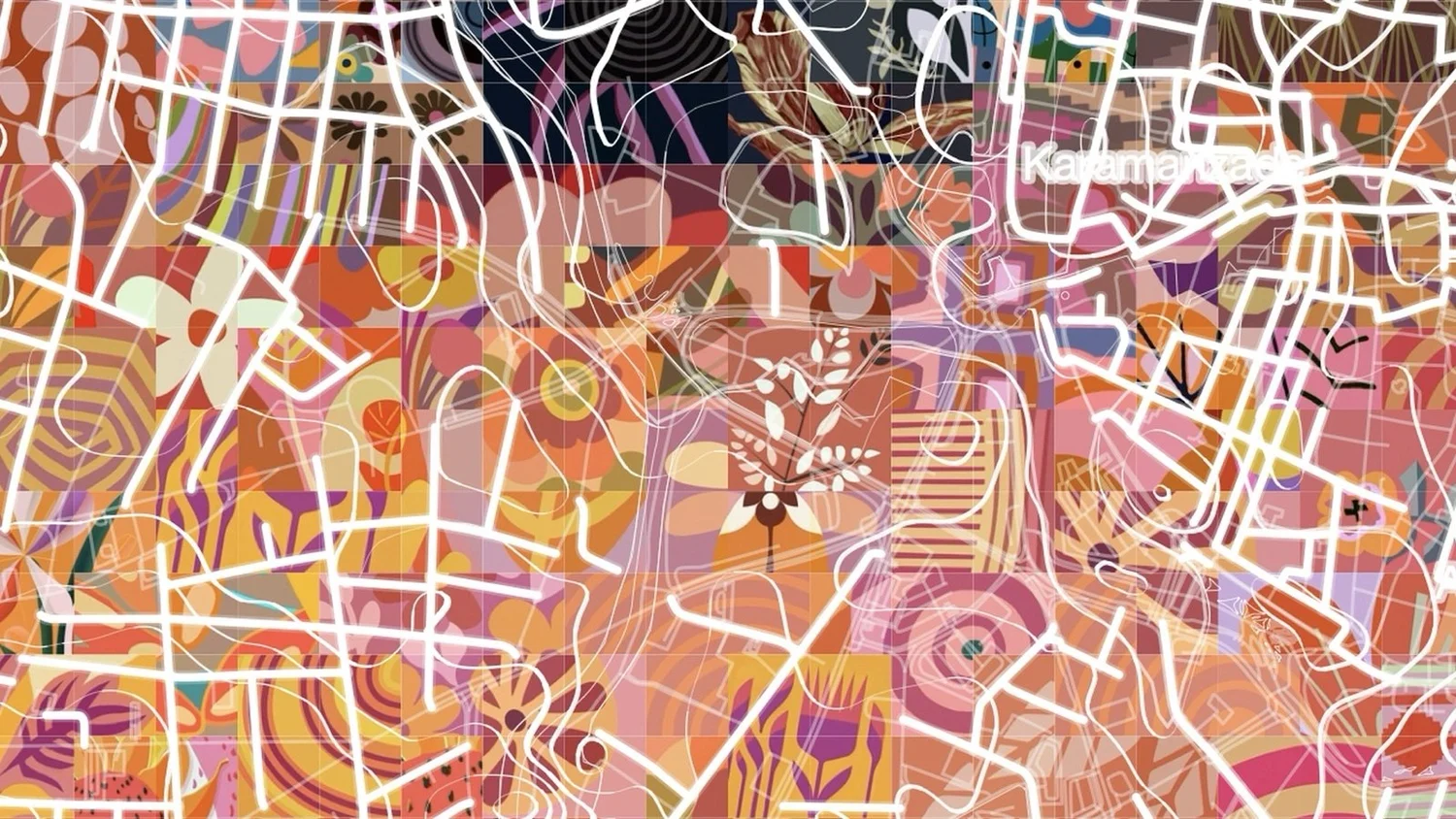
One example is my portrait of Nicosia, in which every tile is cut from the city's street plan. A child sees flowers, an adult sees a face, and a Cypriot sees a city. The same image speaks on several levels at once.
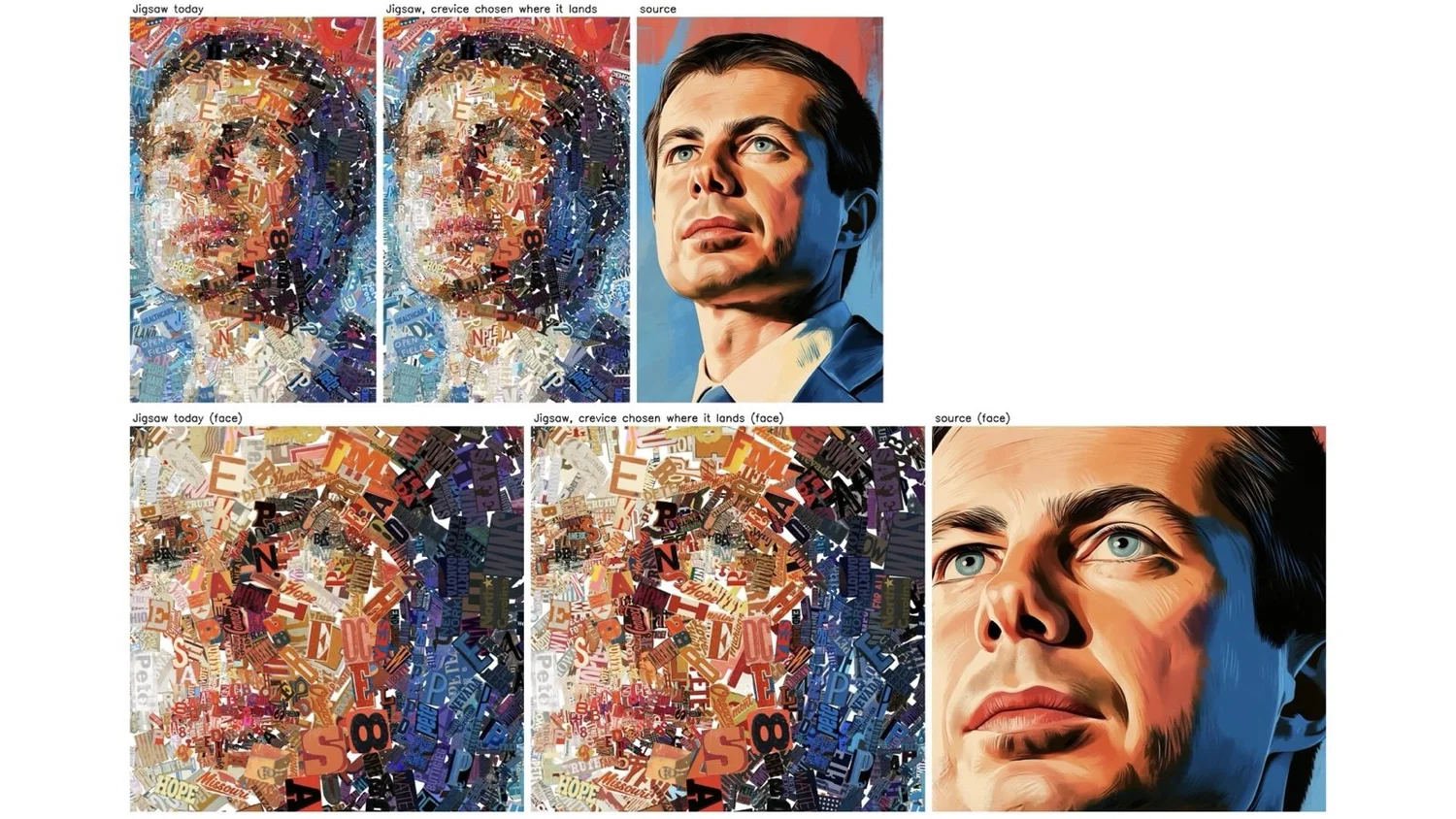
A larger example is a far more complex commission for CGTN. Lately I have also been exploring a concept from metallurgy and manufacturing called nesting: fitting different shapes into an area as efficiently as possible. Nesting tools exist today only for vector shapes. I have spent recent months fighting with my own tools to bring the idea to bitmap images, with colour matching. It is difficult. But this is what quality means: competing with yourself and attacking the same problem again and again. I believe I have made real progress.
Language is the way in
There is another way to make qualitative progress: use language models as an interface between you and the machine. The idea goes back to John Maeda's Physical Language Workshop at the MIT Media Lab, which asked twenty years ago how to bring computation closer to the person with the idea.
I like this so much that, for this very presentation, I asked Claude to place images on the slides in Keynote. I am also adding chat interfaces to my own tools. If I want to test an idea across dozens of grid styles, thirteen matching algorithms, three databases and countless settings, clicking through every button would take far too long. Instead I describe what I want in plain words, a model sets up the real tool, and it comes back with a result. Then I inspect it, correct it, reject it and improve it.
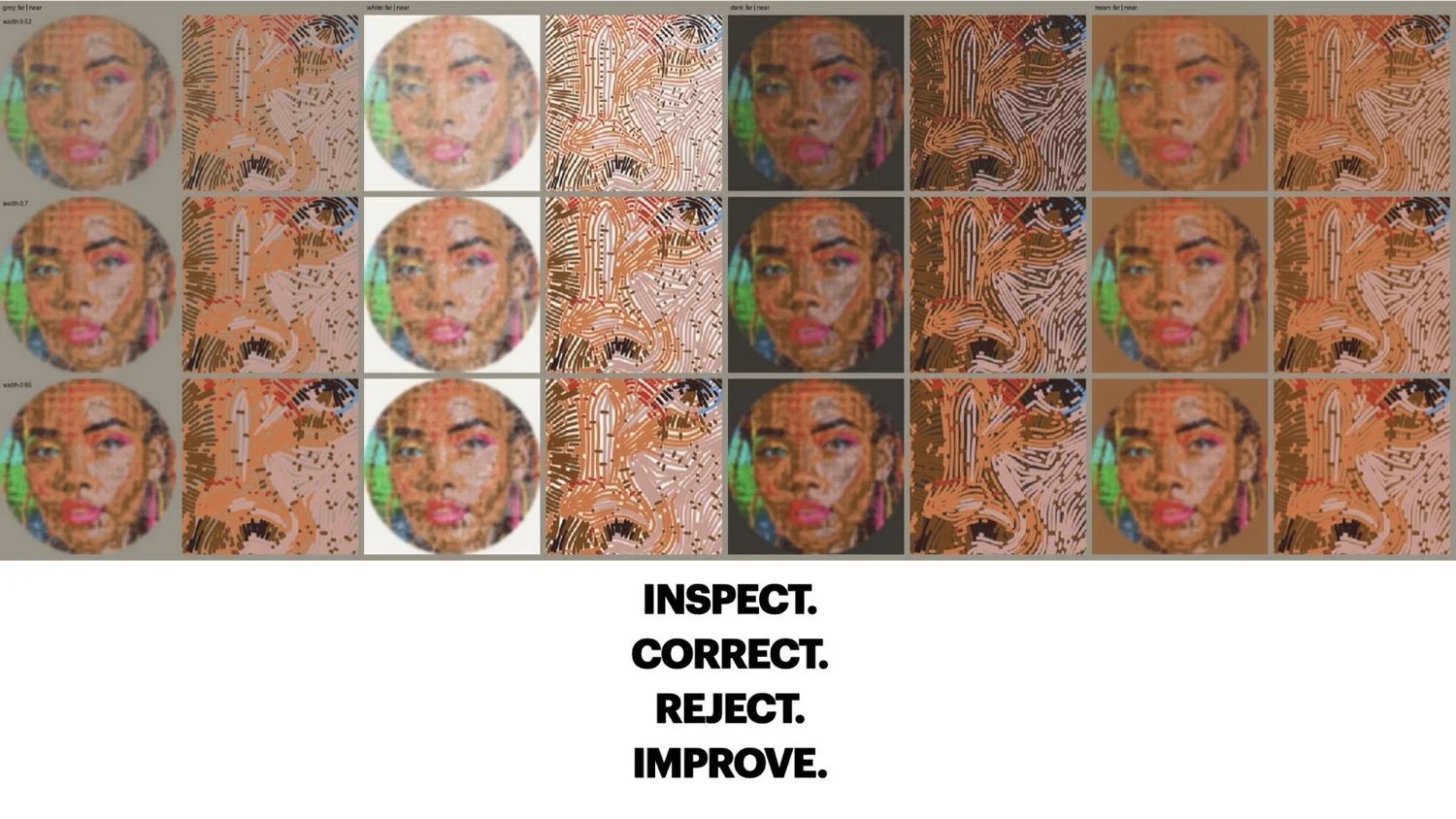
The model is not the final judge. It is the way in, and it helps me reach the tool rather than replacing it.
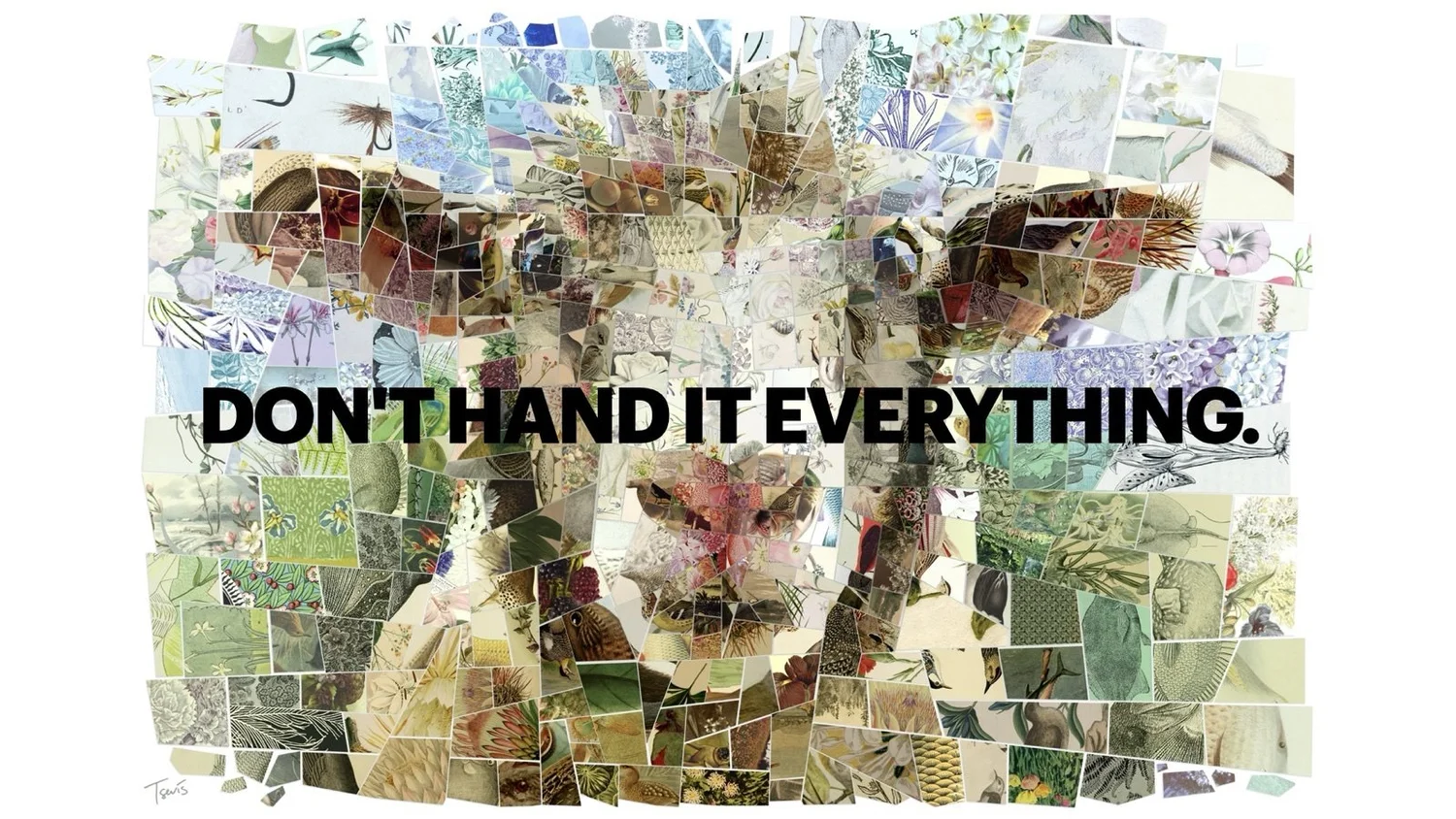
The worst use of a language model is to hand it everything, including the thinking. A Georgetown University study of hundreds of thousands of college admission essays written before and after ChatGPT found more words and fewer ideas. Many scientists worry that these models work like GPS: use it for everything and you forget how to find your way. For me, technology is a form of exercise rather than a shortcut, a way to do a better version, day after day. Technology never gave any of us more free time; it did the opposite. So the only question I ask is whether my work is getting richer or just faster. Time is the only capital we have, and I want to spend it on work of greater quality.
One more thing
Last year thirty-three people drowned in Cyprus. Fifteen of them were over seventy.
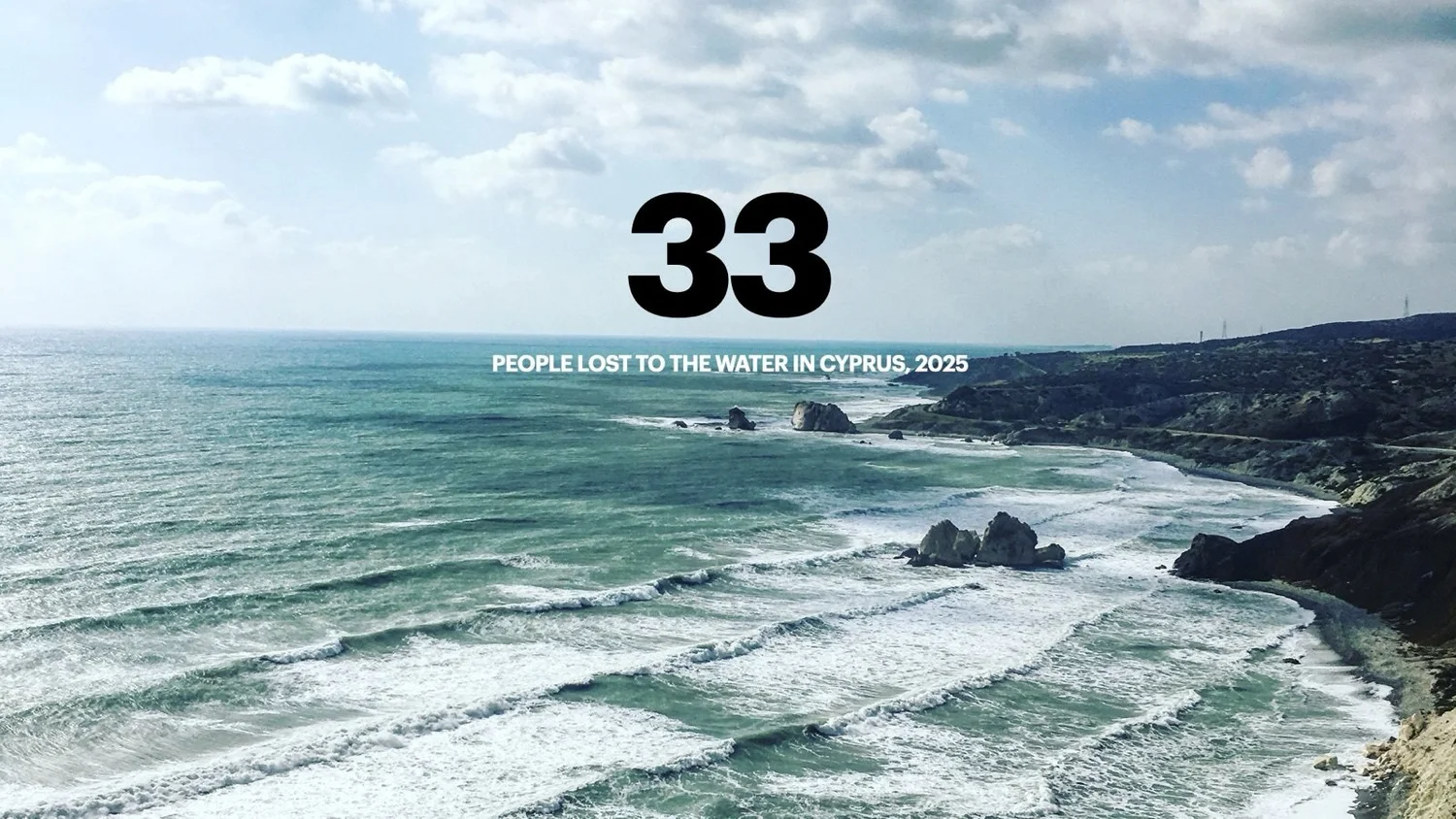
Paphos has already acted: in 2024 it introduced the first remote-controlled lifebuoys in Cypriot waters. Near Barcelona, a small team with a modest grant is testing cameras that help lifeguards notice people in trouble. No Cypriot beach has eyes like that yet.
So I am trying to build one. I call it Nausicaa, after the young woman in the Odyssey who found the shipwrecked Odysseus on the shore and helped him. It is meant to be a second pair of eyes for the lifeguard. It sees, it notices and it alerts, and the lifeguard decides. It would run on open models and a small computer in the lifeguard tower, with no faces stored and no cloud, so nothing leaves the beach.
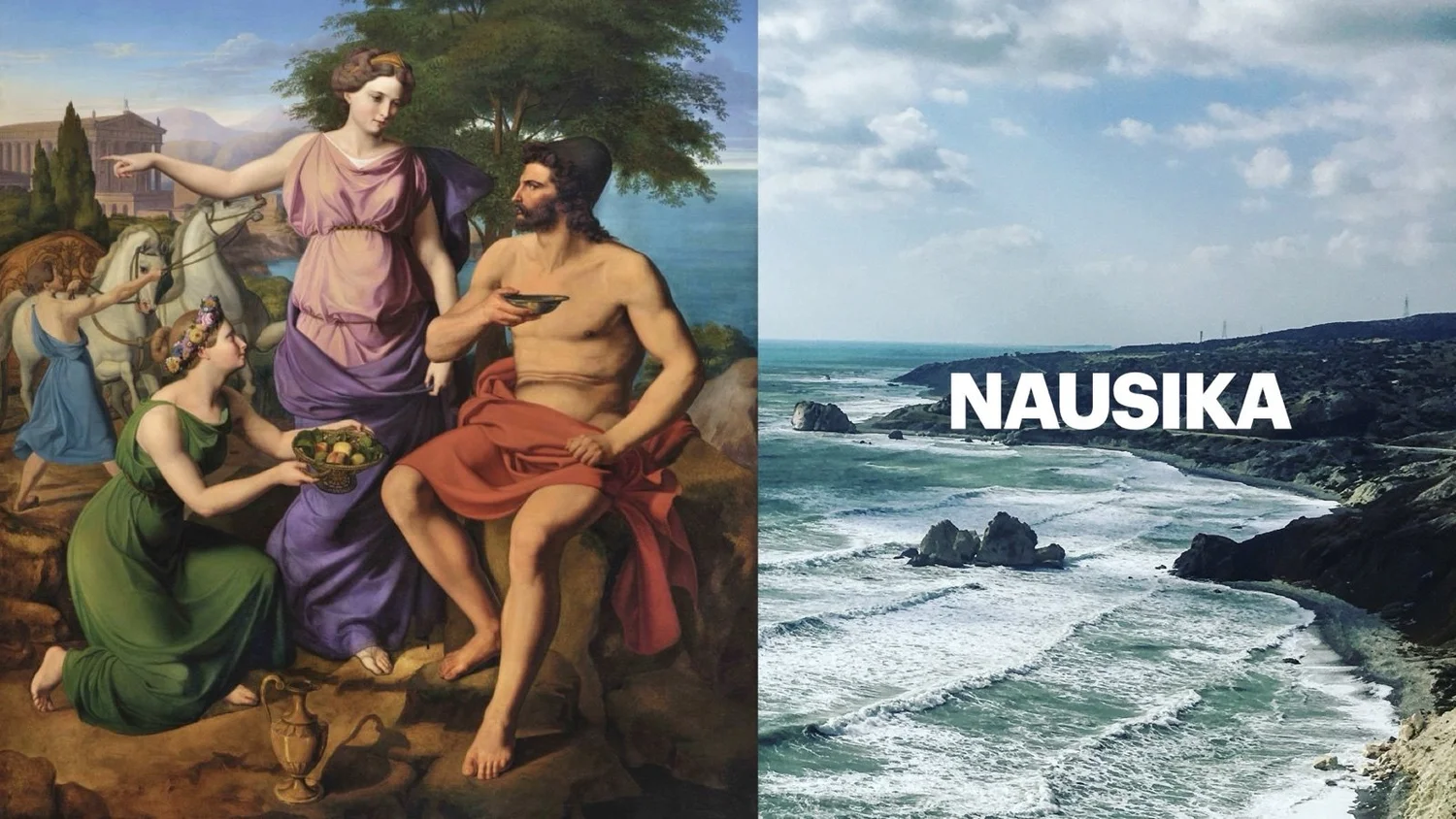
It is a working idea. I am trying to build it, and I am looking for people to build it with.
A creative asks one more question: what does it give back to the place? At the end of the summer, the traces of a season could become a mosaic for the town, because a creative cares about their place.
Keep the door open
That is what creatives must fight for. We should not be fighting the machine. We should be fighting to keep the door open.
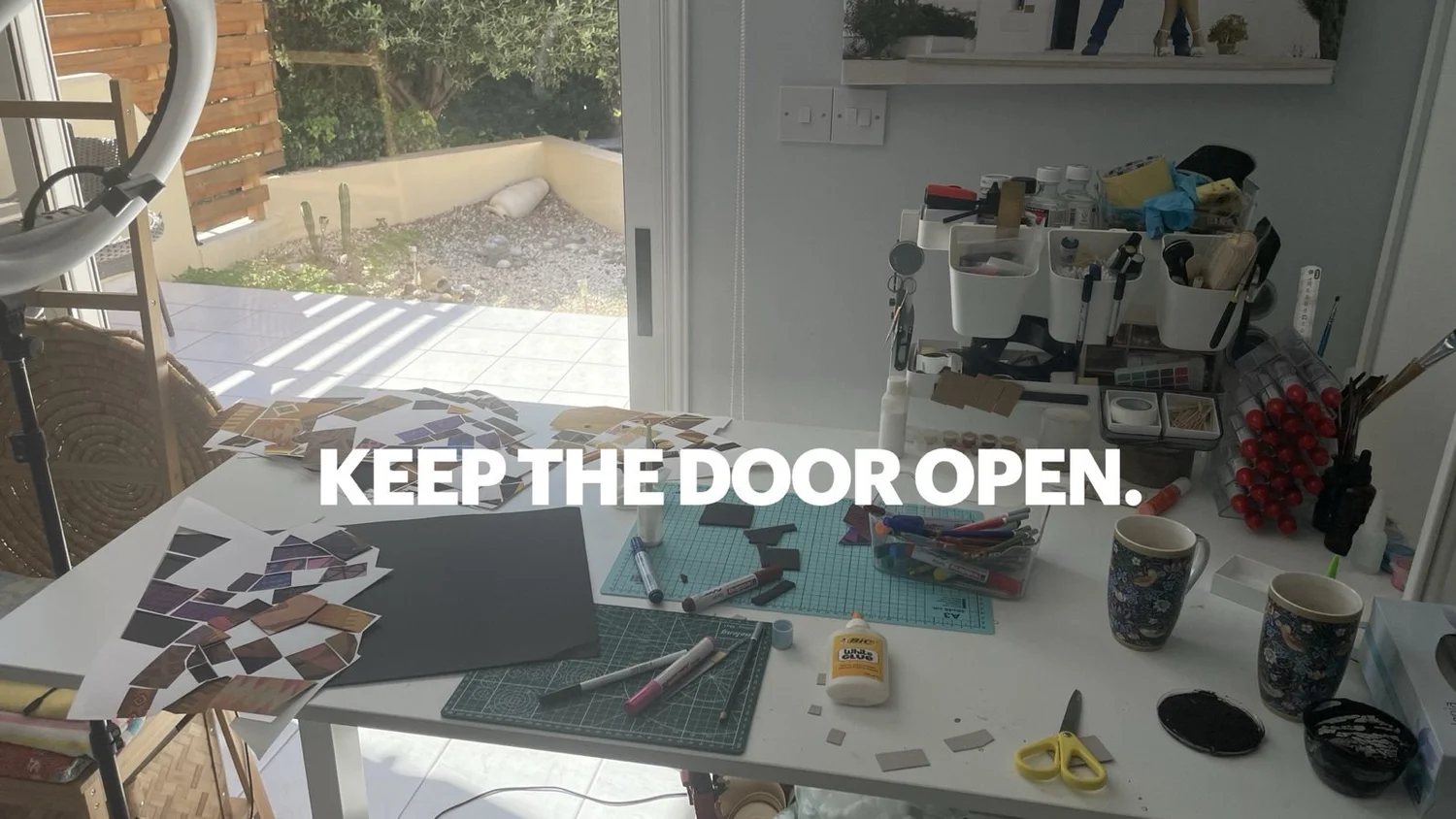
That means open models, modular solutions, local and private tools, human scale and quality. It also means responsibility: using our tools, our technologies and our time responsibly and for good.
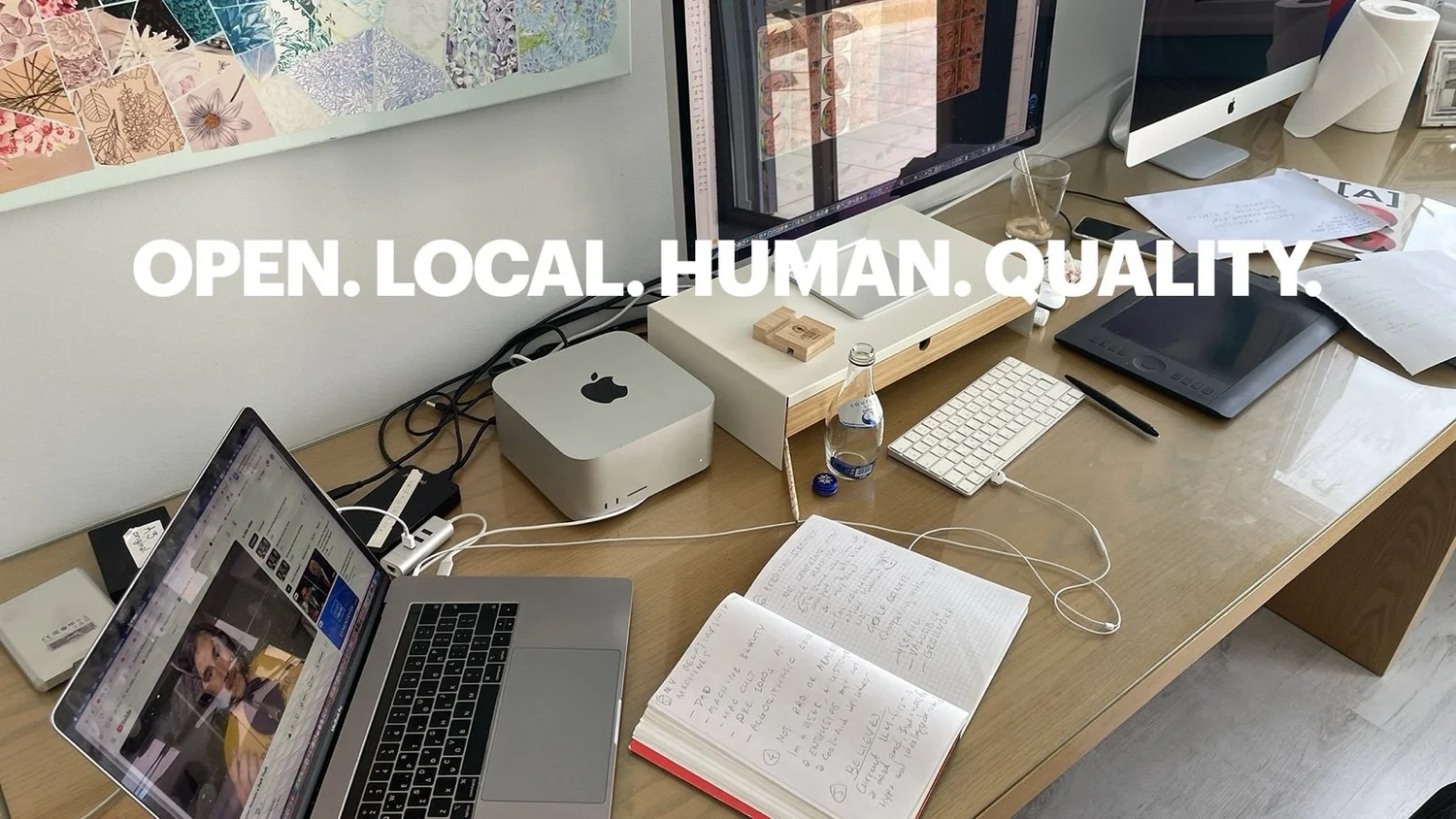
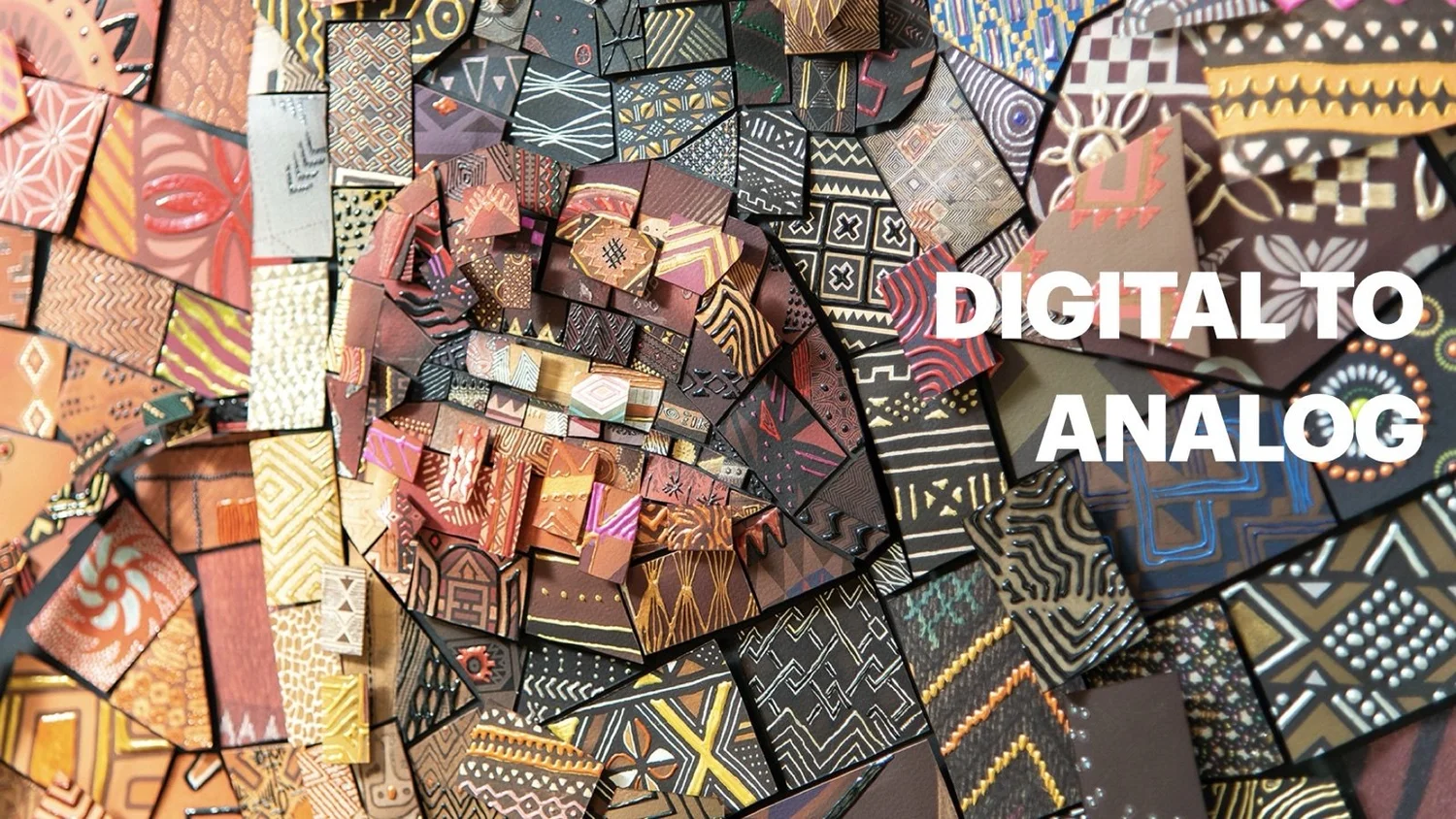
So, wars against machines? A supermachine that replaces us? No. Machines have no feelings. We can collaborate with them to create beautiful things, and bring digital skills back out into the physical world by developing new materials and trying new techniques or old, forgotten ones.
The real wars are the ones we must stop. Instead of inventing wars against software, we should work to end the ones that kill people.
Peace, with quality, with beauty and with truth.
Thank you
My warm thanks to Agenda Cyprus Summits, to its founder Demetris Lottides and to Kyriacos Kokkinos, chairman of the organising committee, for inviting me to Digital Agenda 2026 and for their generous hospitality. Thanks also to the team who made a long, demanding day run so smoothly, to my fellow speakers and panellists, and to everyone in the Nicosia Municipal Theatre who stayed until the late afternoon to talk about creativity.
Special thanks to Shemaine Bushnell, Editor in Chief of KNEWS, Kathimerini's English-language news platform, and to Christiana Xenophontos, Director at V+O Cyprus.
Charis Tsevis