
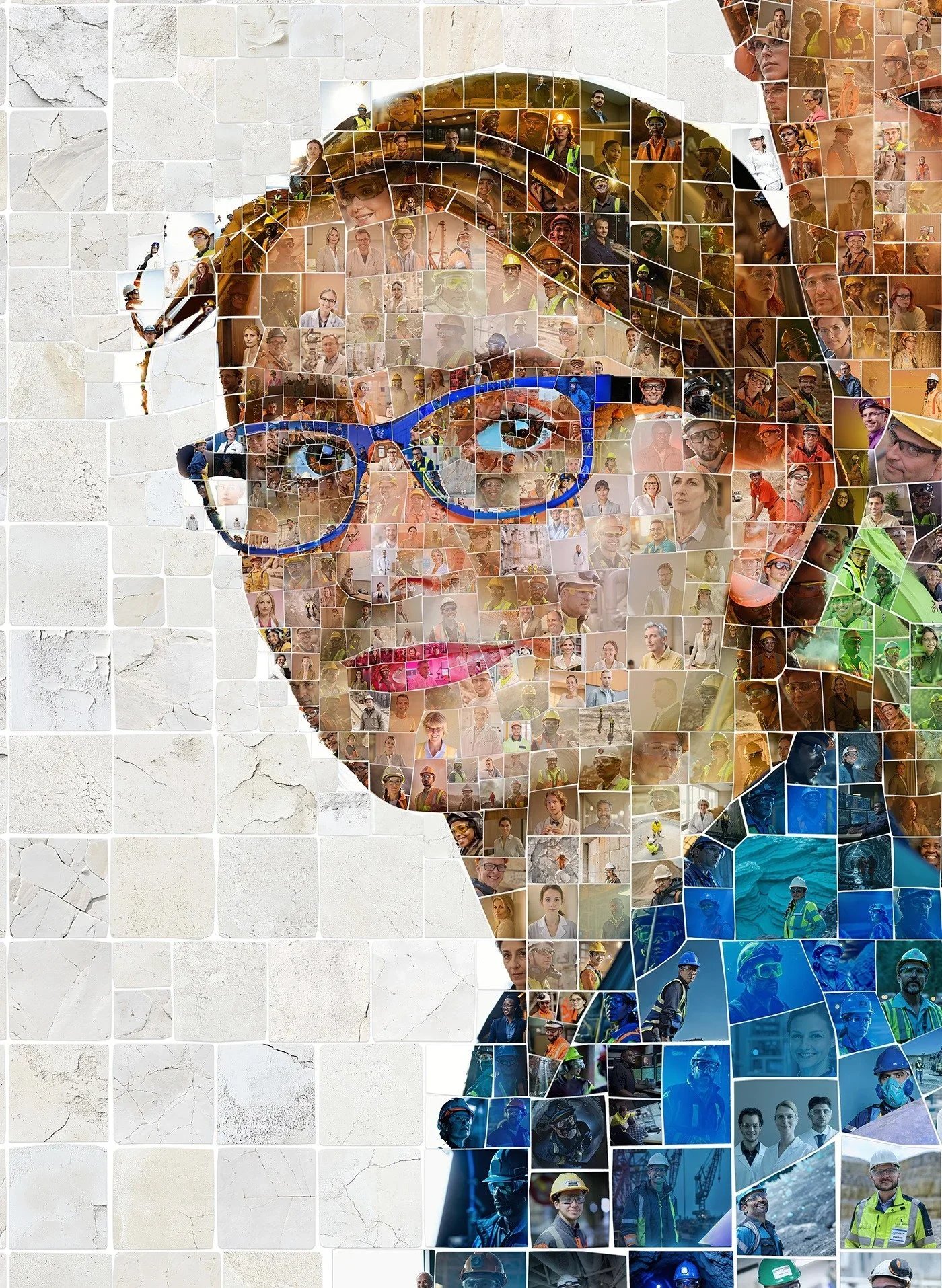
Why a Mosaic for a Brand: The Idea of Many Things Becoming One
A brand is already many things that became one: people, customers, places, years. When a mosaic fits that idea and what it asks of the brand.

The Chromatic Continuum: How Augusto Garau Bound Colors into One Surface
Augusto Garau, my teacher in Milan, did not stop at pairs of colors. He arranged them into a chromatic continuum: passages from one pure color to another in which every neighbor shares a primary with the next, so the whole surface holds together. This article explains what the continuum is, how it grows out of the circle of twelve hues, and how it organizes a composition.

Seeing Through Opaque Color: Augusto Garau’s Theory of Perceptual Transparency
How can flat, opaque color look transparent? Augusto Garau, painter and my teacher in Milan, answered with a theory of perceptual transparency built on how colors look, not on how light behaves. This article explains his theory, Rudolf Arnheim’s color grammar behind it, what vision science found afterwards, and how I use it in my neofuturistic work.
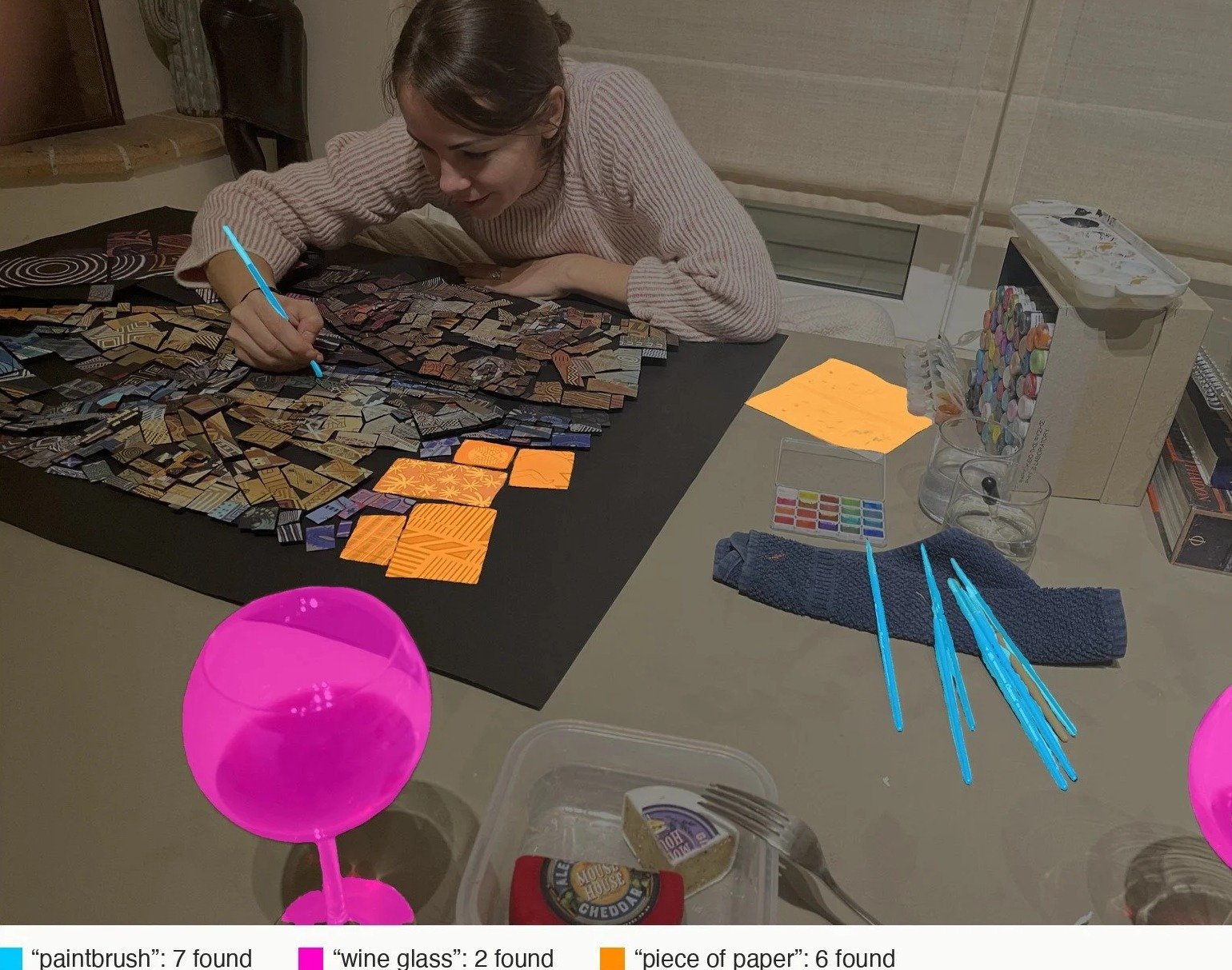
Beyond the Human Eye: What Computer Vision Can Do for Anyone Who Works With Images
A machine can now look at a flat photograph and tell how far away each point is, which way every surface faces, where the figure ends and the ground begins, and how an illustrator might draw it. This article is about what these tools can do for anyone who works with images, how they work, and where they fail.
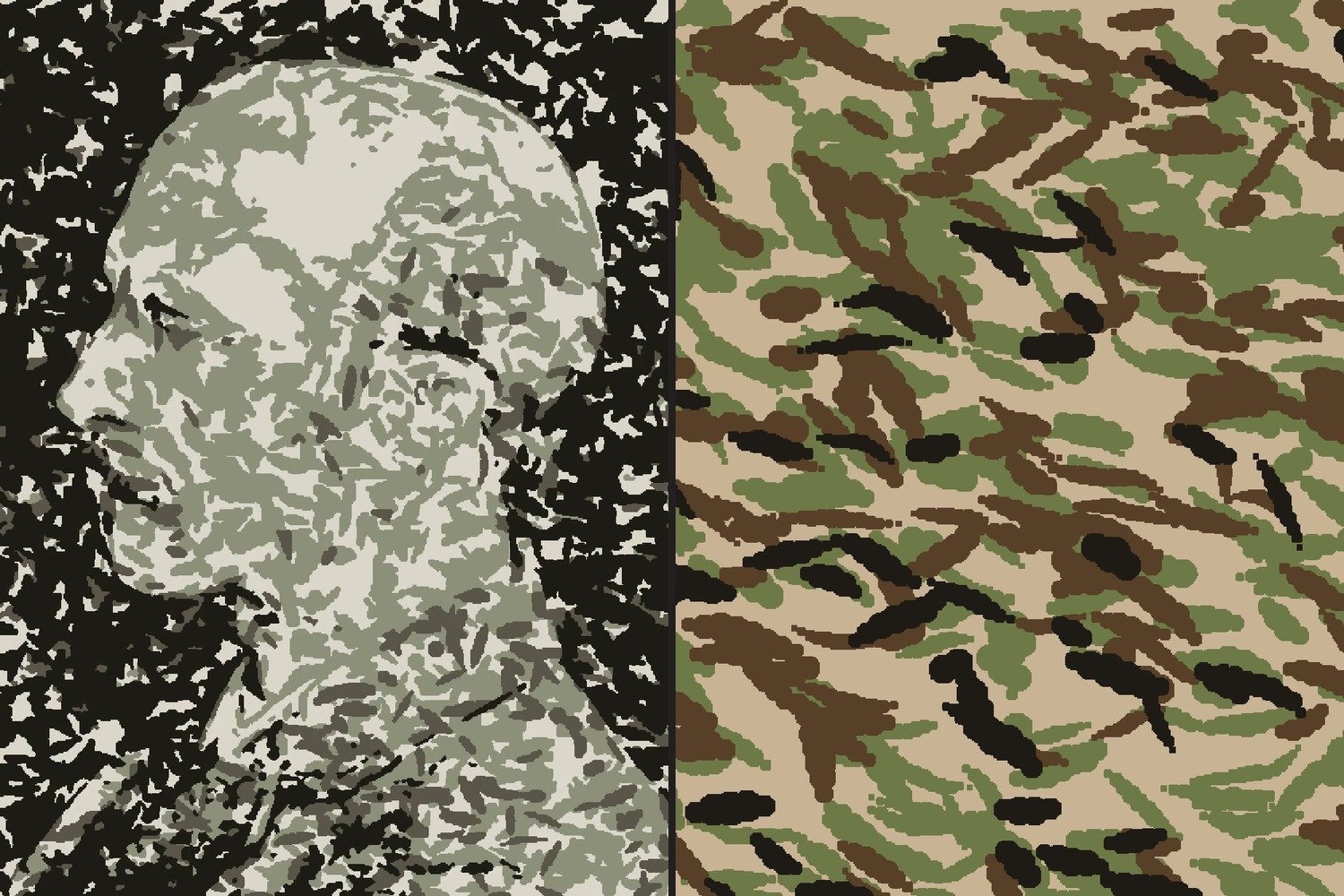
Thayer Vanishes: A Mosaic That Forgets the Face
Abbott Thayer, the father of camouflage, dissolves into pure camouflage in a 14-second mosaic film. Every frame is a real Mozaix render; only one setting changes.
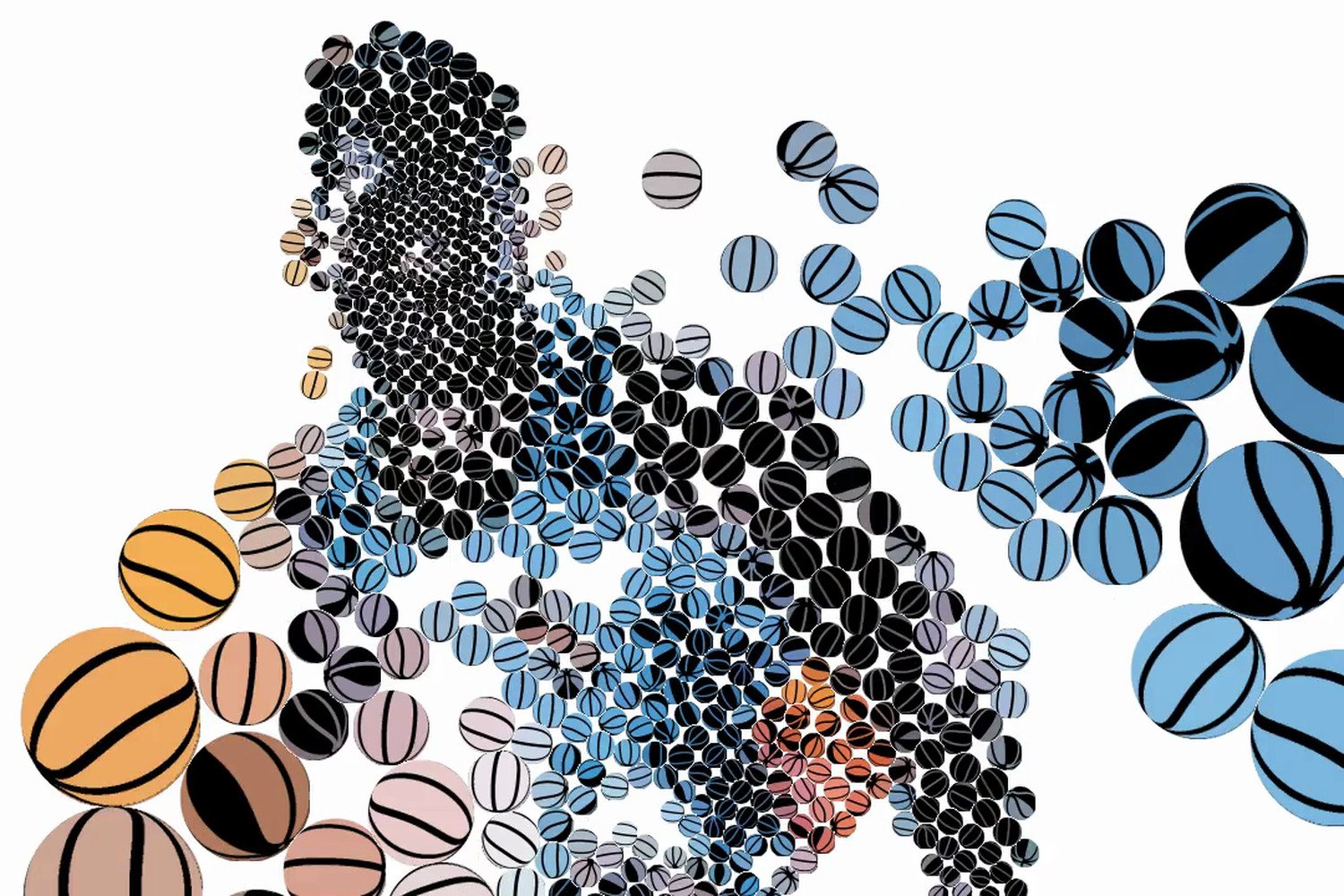
Every Tile Is a Basketball: A Study
A study: a basketball player rebuilt from basketballs. Each tile is a black-and-white ball, and where the picture is lighter than any ball can be, there is no ball at all. With short notes on how the ball is found and tracked.
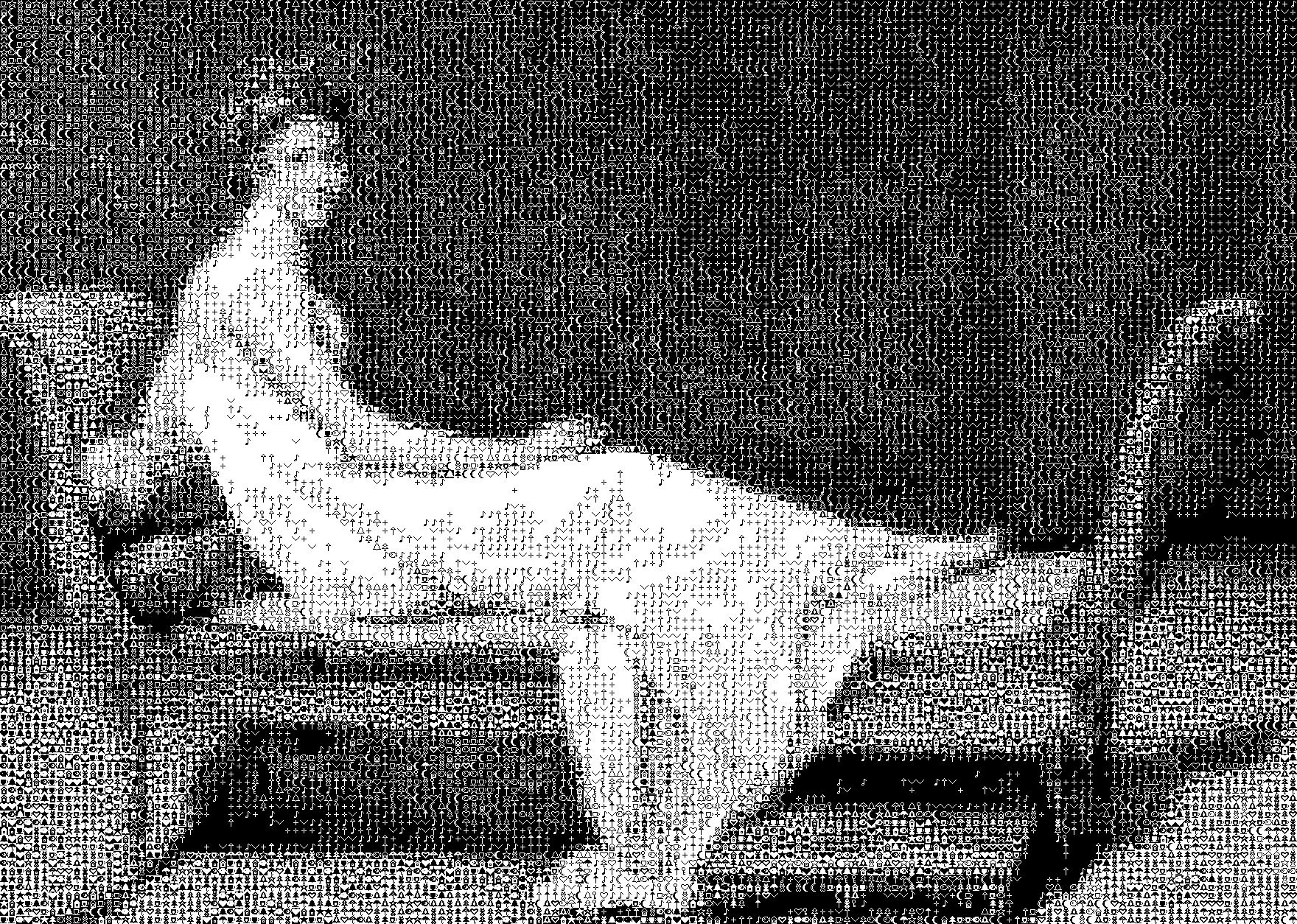
Studies in Perception I: A Document-Based Chronology, 1966–1969
What the documents say about Harmon and Knowlton’s Studies in Perception I: the dated sources give 1967, a 1966 date has no document behind it, and each claim is listed with its source and whether I opened it. Includes a reconstruction of the method.
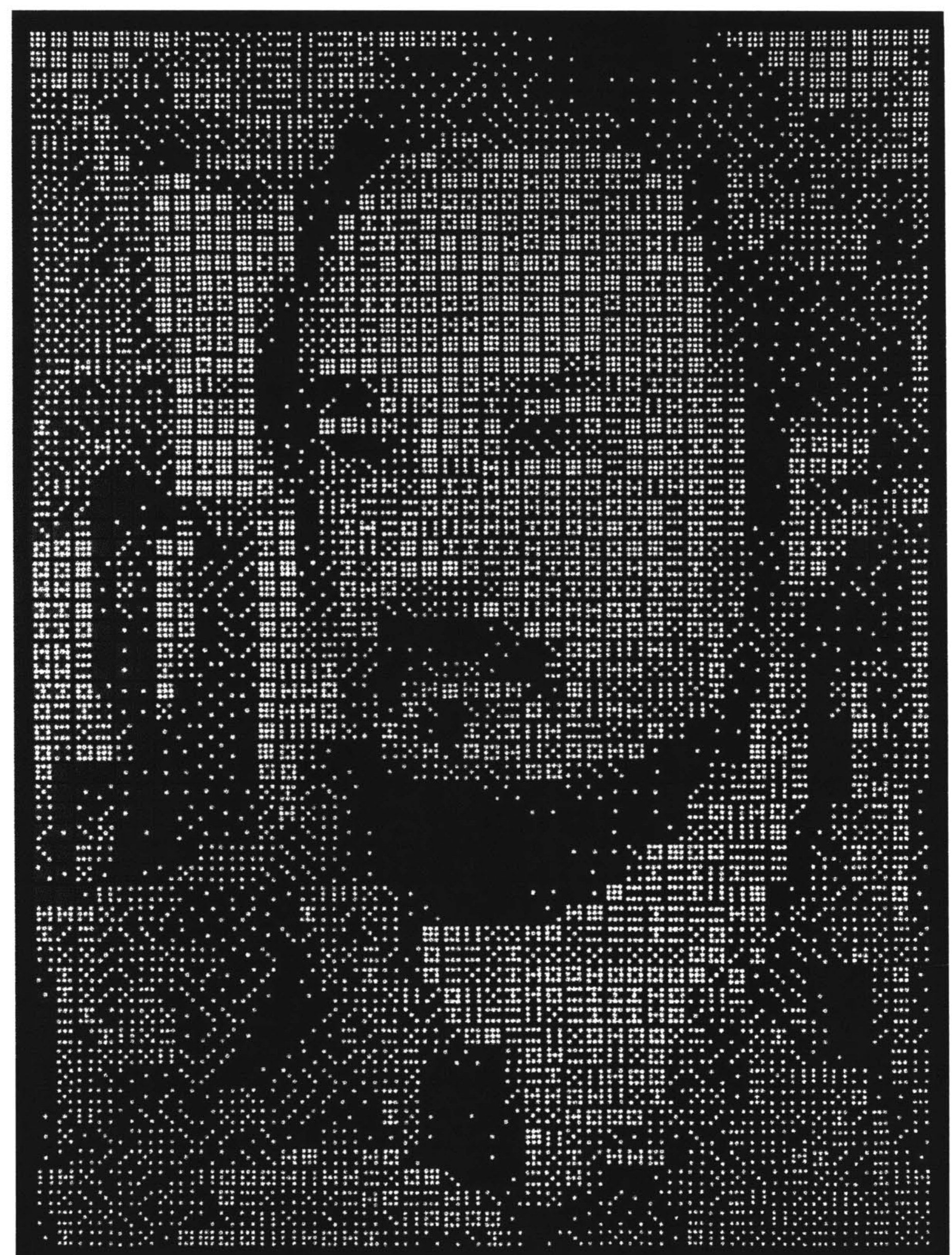
Annotated Bibliography of Artistic Image Mosaics, 1967–2026
An annotated bibliography of 86 works on artistic image mosaics, 1967–2026: papers, patents, theses and software, each with a note on what it does and how it was checked.
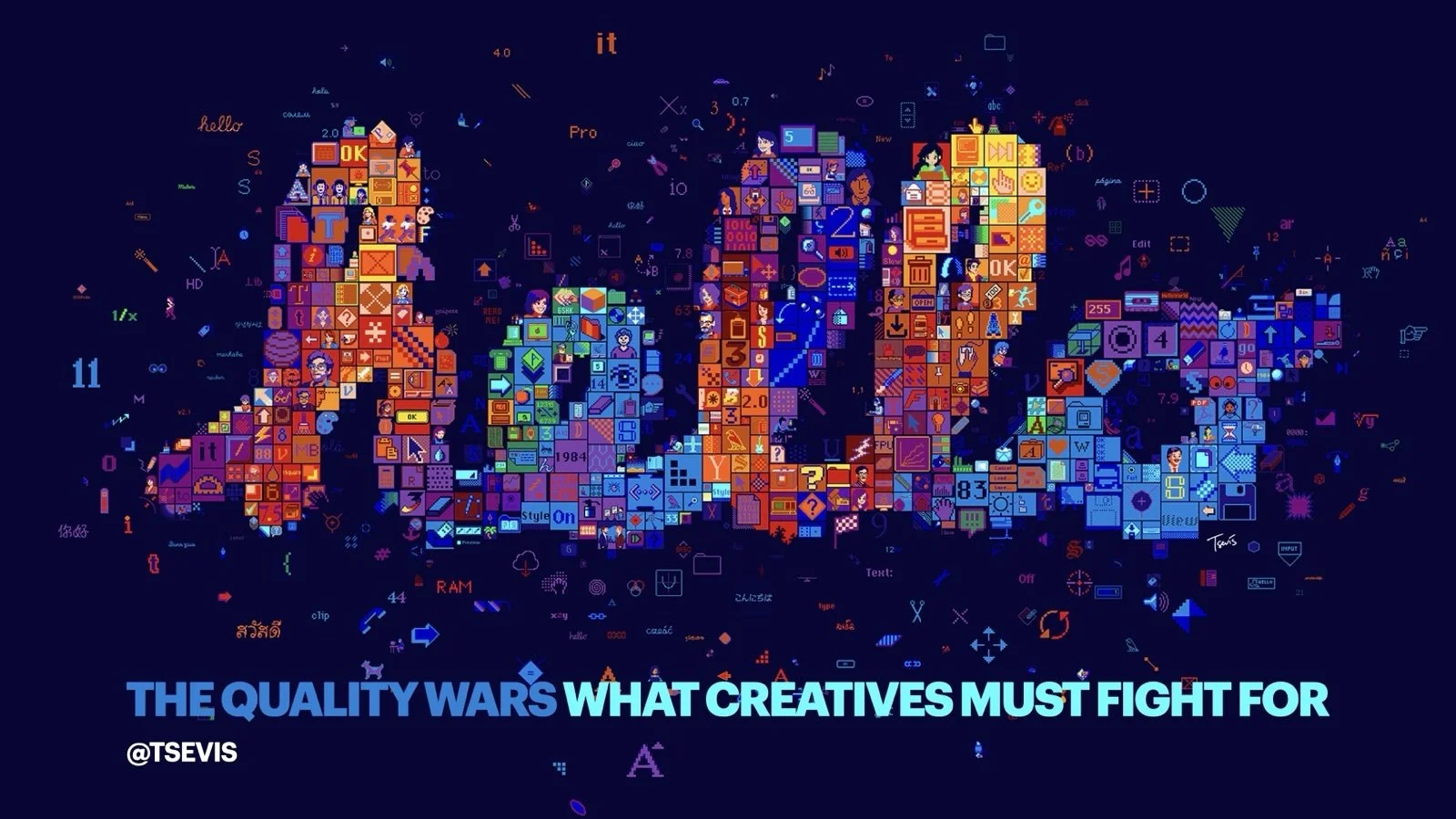
The Quality Wars: What Creatives Must Fight For
There are no AI wars, only choices. From my talk at Digital Agenda 2026 in Nicosia: why AI is software, why small, local and open models matter, and why quality is what creatives must fight for.

Cross-Cultural Fluency in Art
Why the difference between authentic cultural engagement and expensive cultural tourism decides whether an art investment builds lasting value or creates lasting problems.

Photographic Mosaics: How the Algorithms Developed, 1966–2026
Sixty years of decisions behind the photographic mosaic, from Knowlton and Harmon’s symbol pictures at Bell Labs to diffusion models: how layout, description, assignment and rendering changed, paper by paper.

35 WORLD CUP 2026
Every four years, the world pauses. For a few weeks, borders soften, languages mix, and billions of people share the same images: a goal, a celebration, a jersey lifted to the sky.

My AI Sourcebook - Beyond The Hype
We live in an era dominated by noise, hype, and deep conflicts of interest surrounding science and technology.

Every Pixel Is a Tessera
Building Skiagrafia, an AI pipeline for designers: how I chose the models, wired the architecture, and what thirty years of laying mosaics taught me about both.

Beyond “Vibe Coding”
Why I call it LLM-assisted development rather than vibe coding: building a system that does something meaningful matters more than the language used to describe how it was made.

Creativity in the Era of Machine Intelligence
A lecture for design students on fear, the unknown and artificial intelligence: why creativity is the compass, and why you should write your own handbook.

Be Real. Be True. A Note from the EALL Panel
Last weekend, I had the honor of participating in a panel discussion titled “Design – Branding – Leadership: The New Way to Inspire,” part of the centennial celebrations for the Leonteio Alumni Association in Athens.

Caltech Magazine Cover Wins a UCDA Design Award
The Fall 2024 cover of Caltech Magazine, featuring my mosaics of extinct species, has been recognized at the UCDA Design Awards. This project was especially meaningful to me.

How I Learned to Build Apps with ClaudeAI
Honestly, if you’d told me just two years ago that I’d be building complicated apps, like my Mozaix system, which now has tens of thousands of lines of code, I would have looked at you like you were joking.

Between Courts and Coordinates
Today, Greece faces Italy in Limassol. For me, it’s more than just a game. It brings together place, form, and movement. I’m Greek, studied design in Milan, and now live and create in Paphos.