
Tsevis Studio
Applications of Algorithmic Mosaics
Algorithmic mosaics for architecture and public art, corporate commissions, gifts, advertising, editorial, sport and culture
The image that stops a passer-by in a second keeps a visitor for an hour.Tsevis Studio
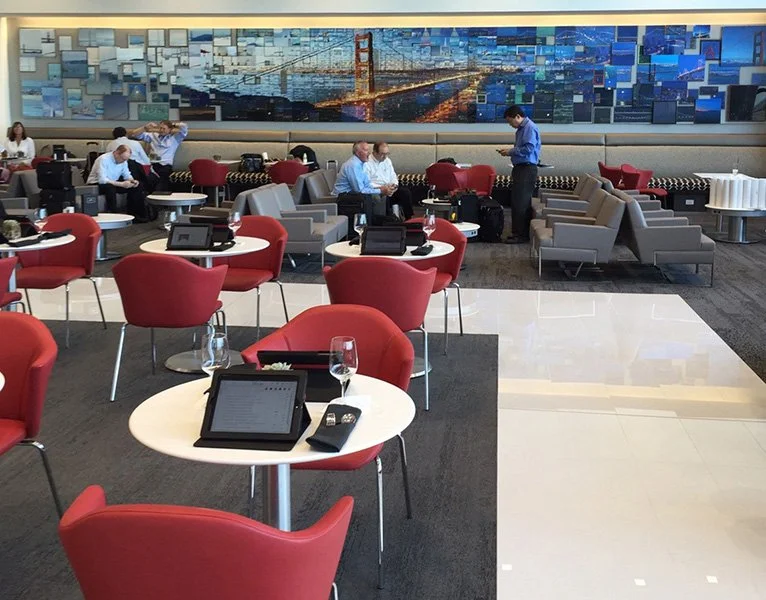
Opening image: Moments Gate, Delta Sky Club, San Francisco, Tsevis Studio.
Algorithmic mosaics are not one product. They are a way of making an image carry more than one meaning, and that suits more than one room. Tsevis Studio has been commissioned for walls and entrance halls, gifts and editions, campaigns, magazine covers, sport and music.
The fragments belong to the client: its products, logos, people or symbols. The research described in Research, Science and Technology decides how they are matched, where the eye is led and which geometry carries the image.
This page maps the settings, with real projects, so that a brief can find its nearest neighbour.
Applications at a Glance
- Architecture and public art
Murals, installations and map-mosaics that read from across a room and from an arm's length.
- Corporate and institutional
Entrance halls, anniversaries and leadership portraits built from a company's own world.
- Gifts, editions and collectibles
Prints, corporate gifts and one-of-a-kind pieces, made to be given and kept.
- Advertising and campaigns
One idea that survives a poster and a phone screen.
- Editorial and science communication
Covers and portraits where the fragments are the story.
- Sport, culture and entertainment
Identity, speed and emotion for athletes, music and festivals.
- Healthcare and wellness
Warmth and precision for conferences, hospitals and campaigns.
I. One Method, Many Rooms
An algorithmic mosaic is not one product. It is a way of making an image carry more than one meaning, and that suits more than one room. A mosaic can stop someone in a second and still reward an hour, whether it hangs in a lounge, appears on a coin, opens a magazine or is handed to a king.
New to the term? Start with what an algorithmic mosaic is.
The fragments are never neutral. In each application they belong to the client: the products a company makes, the logos of the firms it backs, the streets of a city, the symbols of a sport. The research described in Research, Science and Technology decides how those fragments are matched, where the eye is led and which geometry carries the image. The tradition behind it explains why the form works at all.
This page maps the settings in which the studio has been commissioned, with real projects, so that a brief can find its nearest neighbour.
II. Architecture and Public Art
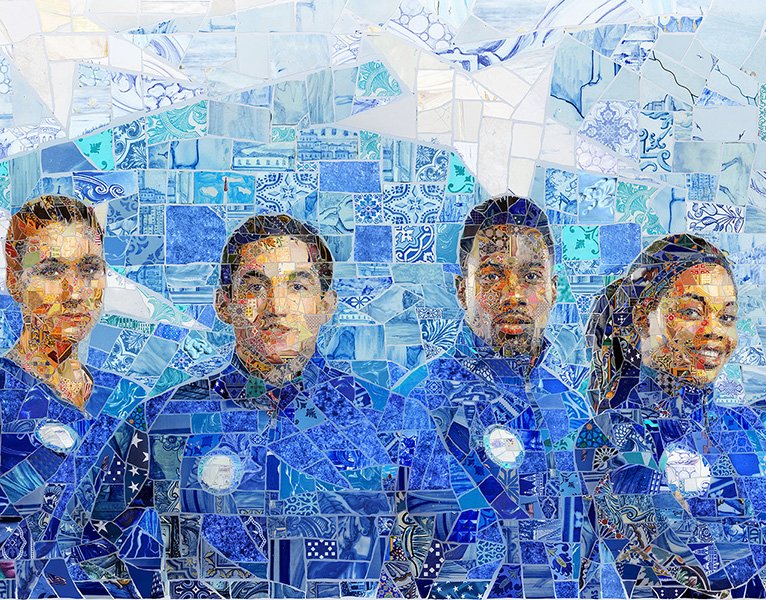
Some mosaics are made to be part of a building. At the Delta Sky Club at San Francisco airport, a 41-foot mosaic mural of the Golden Gate Bridge carries day and night, time and space, across a lounge wall. At USA House in Rio 2016, a 13.6-metre mosaic celebrating Team USA athletes spoke in the language of Brazilian azulejos, for the United States Olympic Committee.
Public art can also be a map. Giannis Antetokounmpo was built from the streets of Sepolia in Athens and installed at the Nike store in Syntagma Square. For Bahrain, the royal digital mosaics set portraits, an Arabian horse and a falcon inside Islamic geometric pattern. In Moscow, the Legendary Area murals gave a sports-themed apartment complex neofuturistic artworks.
What matters at this scale is that an image must read from across a concourse and from an arm’s length. That is the two-scale problem the studio’s research was built to solve.
III. Corporate and Institutional Commissions
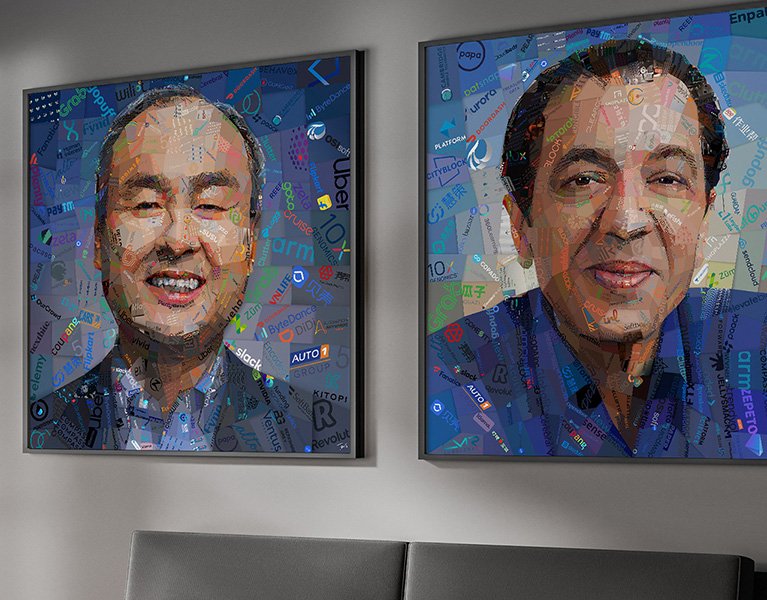
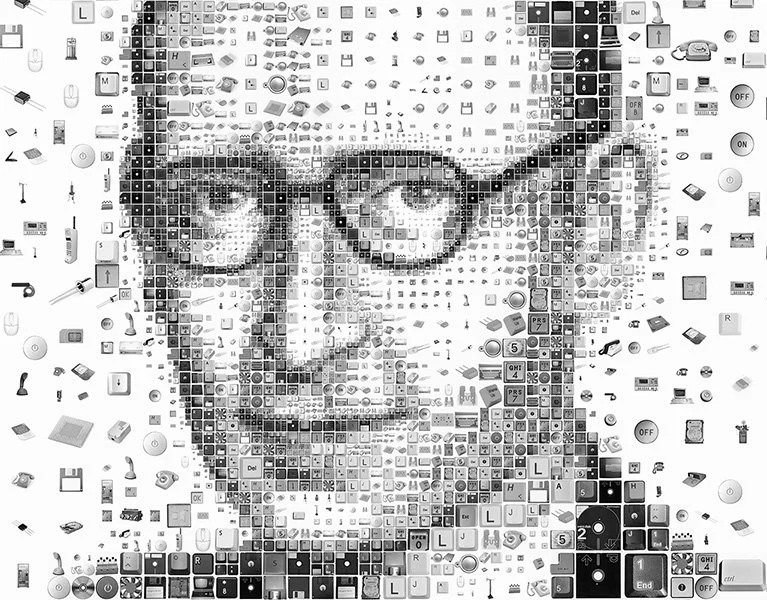
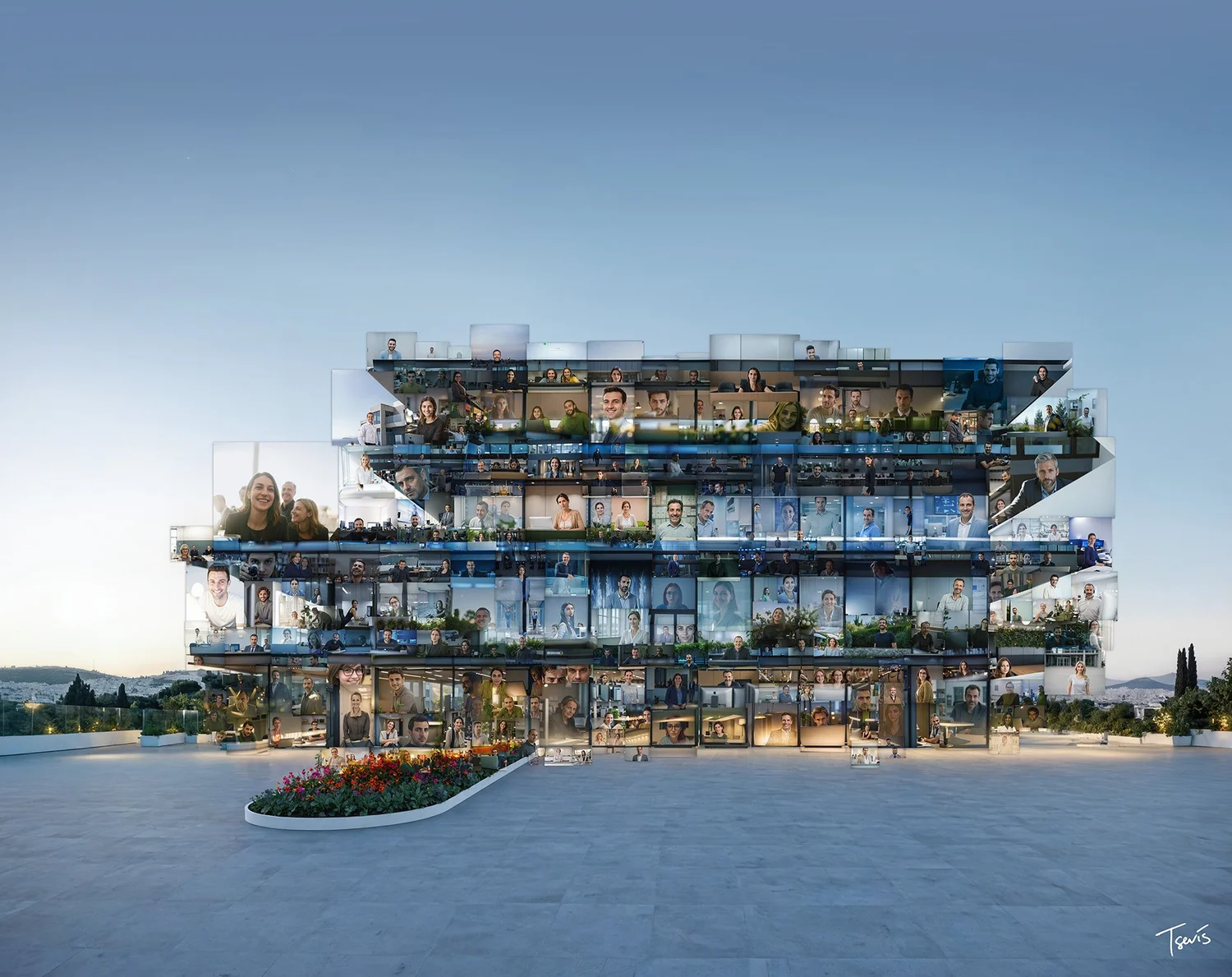
Companies commission mosaics when they want something that is about them and made from them. The SoftBank portraits of Masayoshi Son and Rajeev Misra are assembled from hundreds of logos of companies SoftBank has backed. The Shashi Hotel in Silicon Valley carries mosaics of computing pioneers, including Babbage, Bell, Faraday and Flowers. For iSquare, Apple’s authorised distributor in Greece, the studio made Hello, a work for the entrance hall, built from forty years of Mac interface elements and finished by hand in an analog version.
The same logic runs through anniversaries and campaigns made from a company’s own people. The studio made a mosaic logo, artworks and limited-edition gifts for the 40th anniversary of the QUEST group, and, with Studio Tokyo, A Company Built by Its People for Lhoist, in which each portrait is built from thousands of photographs of the company’s employees.
IV. Gifts, Editions and Collectibles
A mosaic makes a good gift because it is made for one person, or one company, and shows it. The studio offers that idea in three forms.
For a person
Limited-edition prints carry the mosaic style into homes, offices and creative spaces, in several sizes. A selection of the mosaic collections is also available through the LUMAS gallery, which published the series New York State of Mind, and more work is in the shop. For someone who should choose for themselves, a gift card can be requested directly from the studio. Artistic jigsaw puzzles of the mosaic designs are a playful alternative, made to be framed once they are complete.
For a company
Corporate gifts follow the same logic at the scale of a brand: artwork built from the company’s own products, people or logo. The studio made a limited-edition employee gift for Nestlé Hellas, and a mosaic logo, artworks and limited-edition gifts for the 40th anniversary of the QUEST group. Other commissions in the corporate art portfolio include work for Nobu, COSMOTE, AbbVie and Church & Dwight. A custom mosaic can thank clients, recognise employees or mark a milestone.

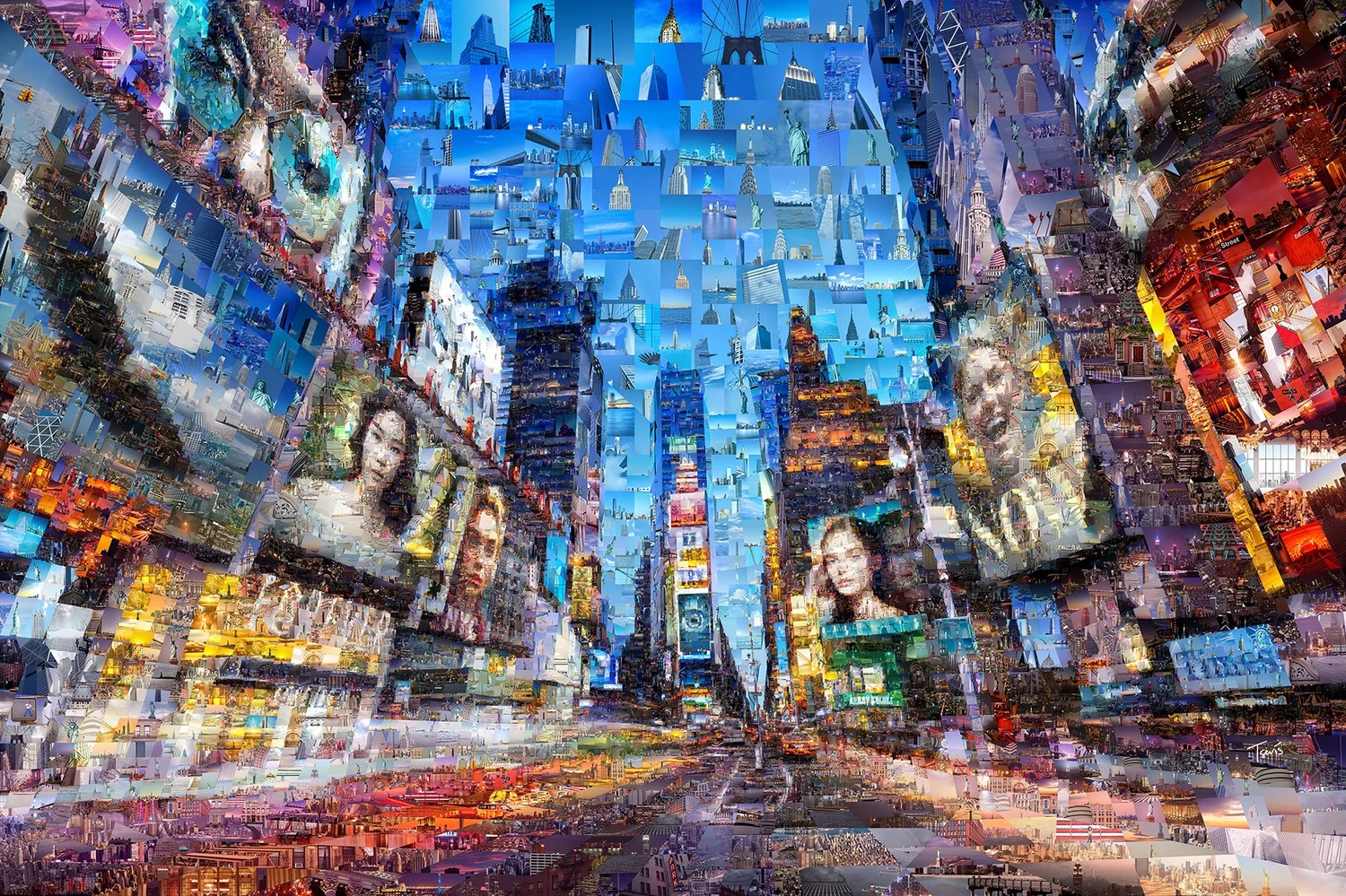

For a place, or a ruler
Some gifts are made once. Singularis is the studio’s collection of one-of-a-kind analog mosaics, handcrafted for exclusive environments that value originality and texture. The royal mosaic portraits presented to His Majesty the King of Bahrain and to the Crown Prince belong to the same tradition: a gift that is also a work of art, made for a single recipient.
For the longer story, with ideas for every kind of recipient, see Timeless Art Gifts. To commission a gift, start a conversation.
V. Advertising and Campaigns
A campaign needs one idea that survives a poster and a phone screen. Bulgari Mediterranea is a mosaic of Mediterranean material culture for a high jewellery collection. Eurobank: Your Business is Your People is an insurance campaign built from more than 300 portraits of the Greek workforce. For Codorníu, a digital trencadís of the Sagrada Família carried a Cava campaign in Japan. Siemens: A Better Way of Coding is a Low Code campaign, made with Ogilvy New York, in which people, towers and airplanes are built of Courier code.
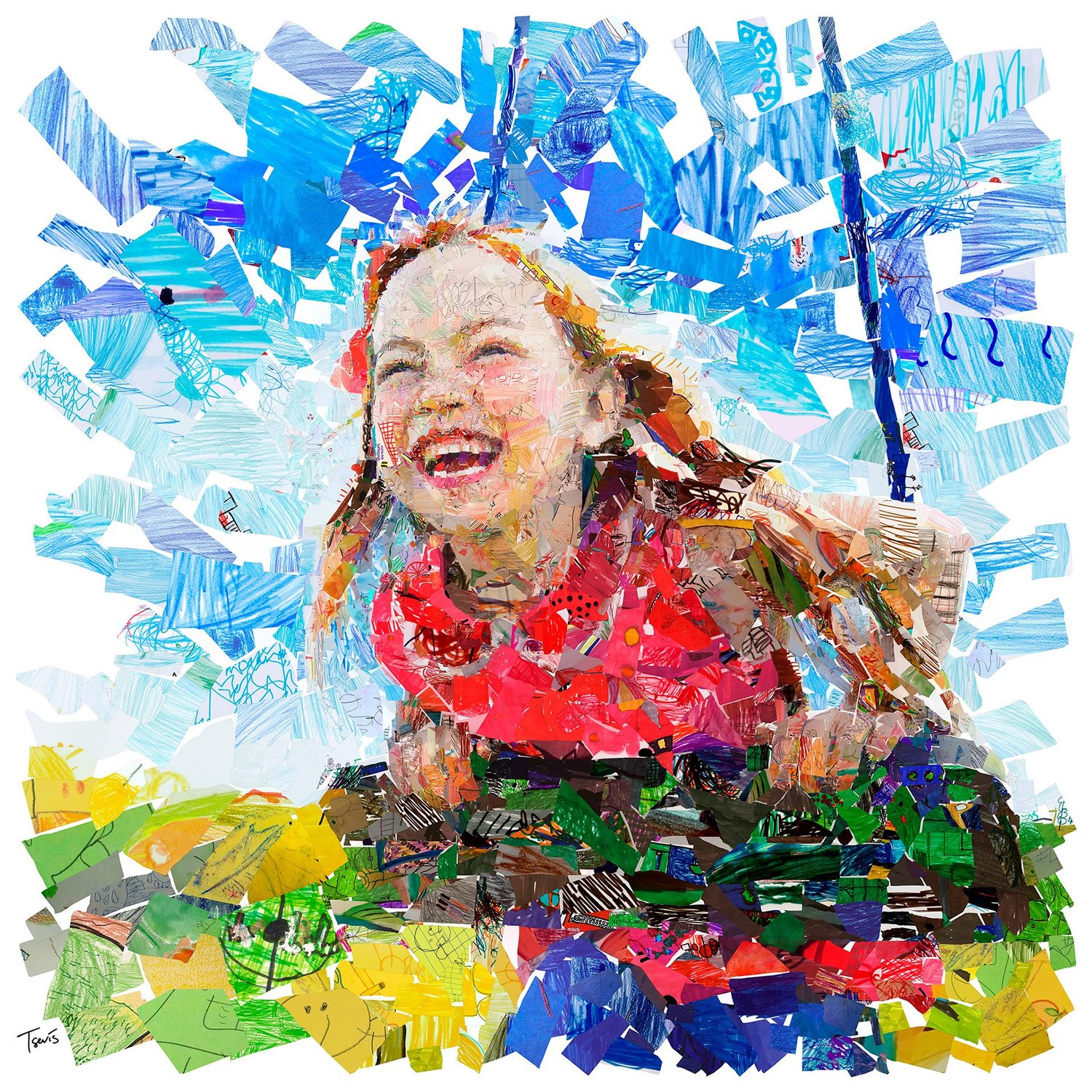
Mosaics can also carry a cause. For Hansaplast’s Absolute Smile, thousands of children’s drawings were combined into one image, each drawing counting as a donation of one euro to The Child’s Smile.
VI. Editorial and Science Communication
Editors use a mosaic to turn a concept into a face. The studio’s covers for Science include Early Life Immunology in 2020, 20 Years of Human Genome Sequencing in 2021 and Predicting Pathogenicity in 2023.
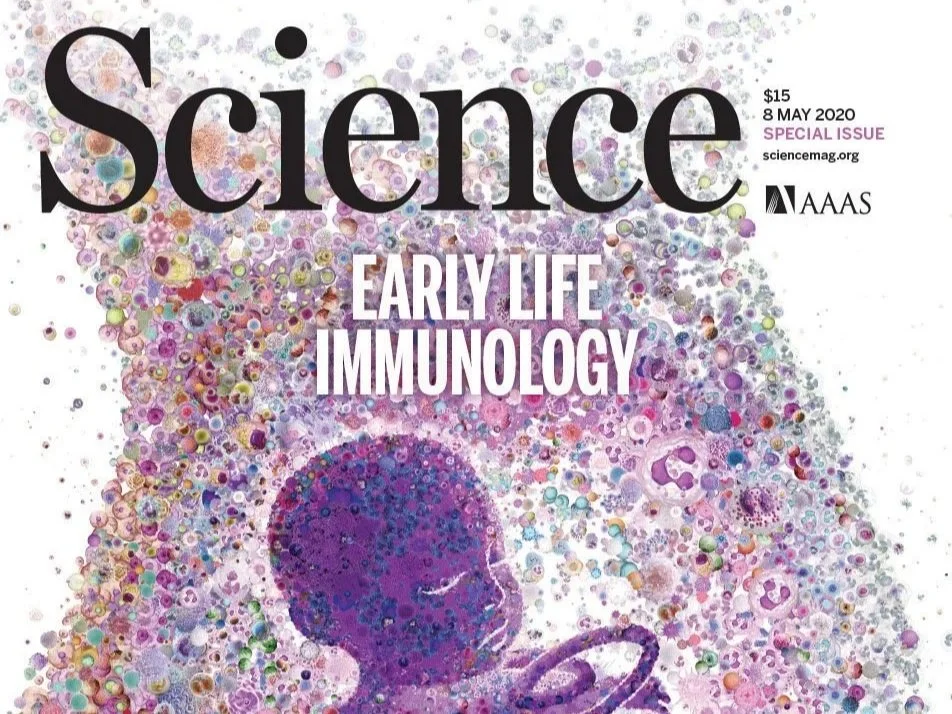
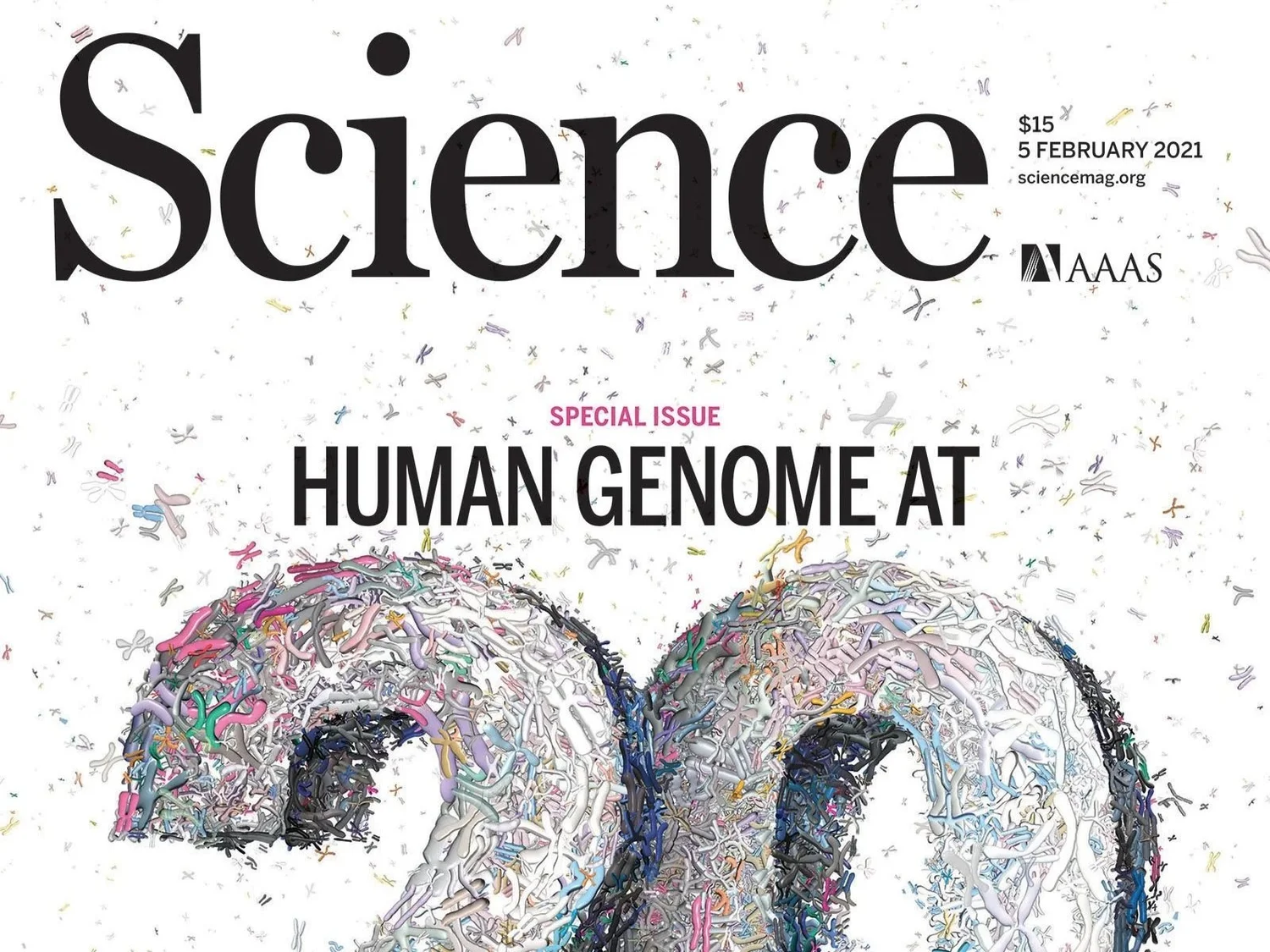
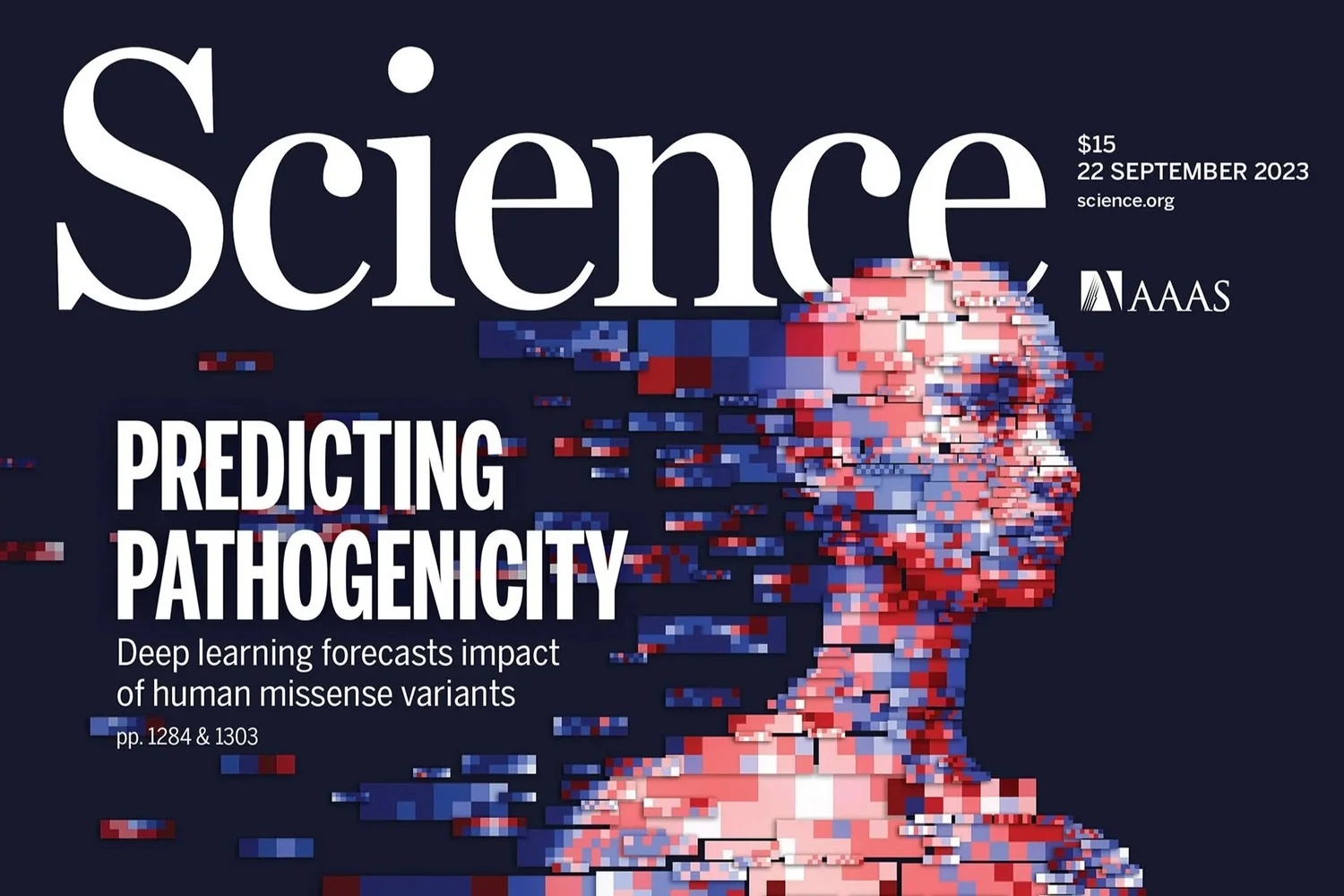
Other editorial work includes the Steve Jobs portrait for Fortune, Caltech Magazine and Communications of the ACM. In each, the fragments are the story: the symbols of a science, the products of a company, the avatars of a profile page.
VII. Sport, Culture and Entertainment
Sport asks for identity, speed and emotion in one image. The studio has made the Paris 2024 Olympic Hopefuls, mosaics of athletes in French Rococo, Art Nouveau and Art Deco, the NBA Creator Series, with Giannis Antetokounmpo built from Greek keys and Nigerian Aso Oke colours, a Qatar 2022 study of nine footballers in arabesque geometry and calligraphy, and a mosaic celebrating the career of the Olympiacos legend Vassilis Spanoulis.
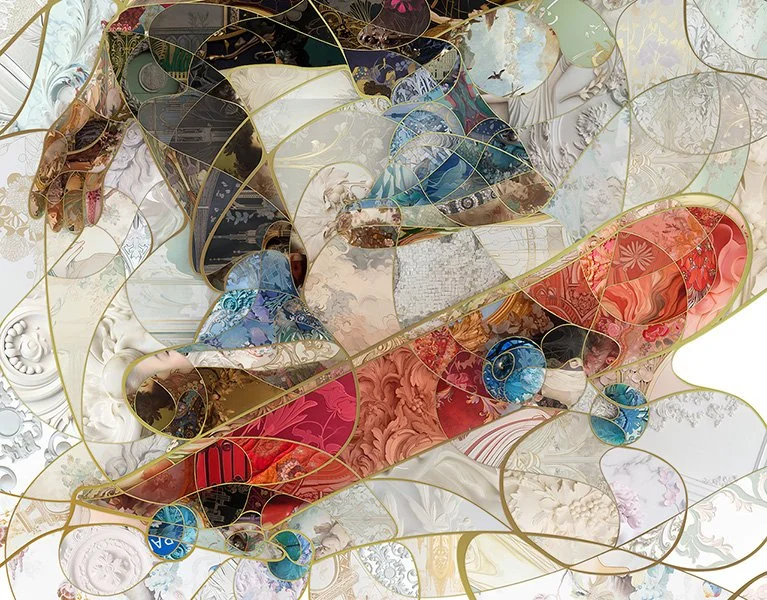
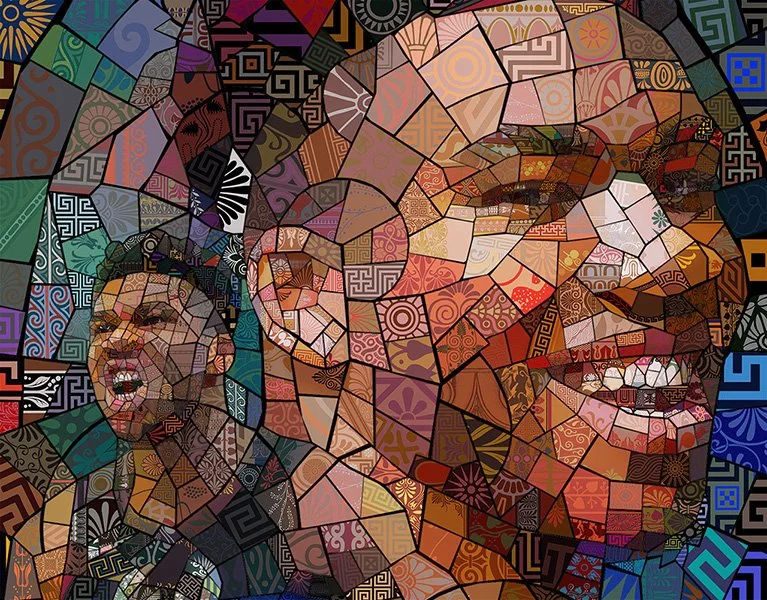
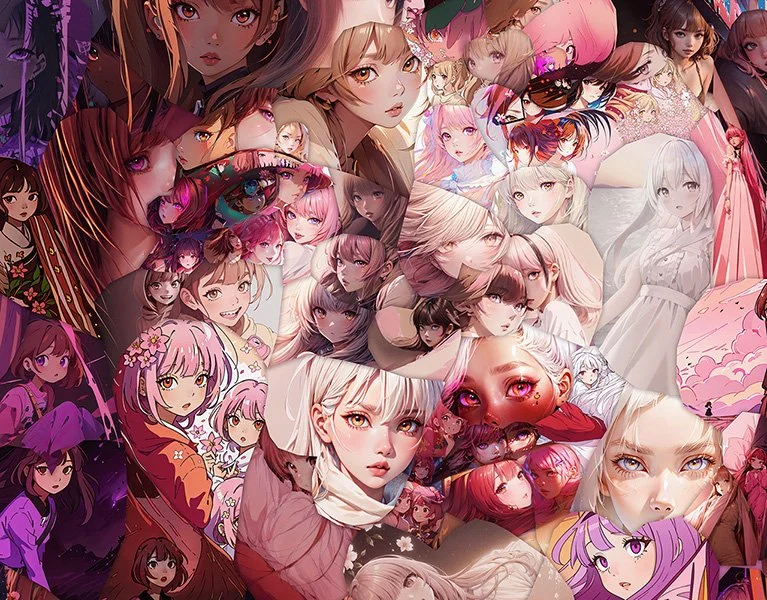
In music and entertainment the work ranges from Blackpink in Anime Colors to the posters of a classical music festival in Brazil.
VIII. Healthcare and Wellness
Health communication needs warmth as well as precision. The studio made neofuturistic illustrations for the American College of Cardiology Scientific Session and portraits of a breast cancer patient and her doctors for Houston Methodist Hospital’s foundation magazine, and the Hansaplast campaign above began with children’s drawings.
IX. Starting a Brief
A good brief for a mosaic says four things: where the work will live, at what scale, who will see it, and what the fragments should be. Everything else is a conversation.
The studio would be glad to hear it. The full portfolio is organised by category, from Public Art & Installations to Corporate Art & Commissions, Advertising & Campaigns, Editorial Illustration, Fine Art & Collectibles and Sports Illustration.