Festival de Inverno 2008: Composing with the Cold
Campos do Jordão in winter is a place of tonal contrast, a town of Alpine chill and Brazilian warmth, of Mozart and moqueca. In 2008, it became the perfect stage for Bradesco Prime’s cultural debut. Our goal was to visually embody this duality: the global elegance of classical music and the colorful intimacy of Brazilian life.
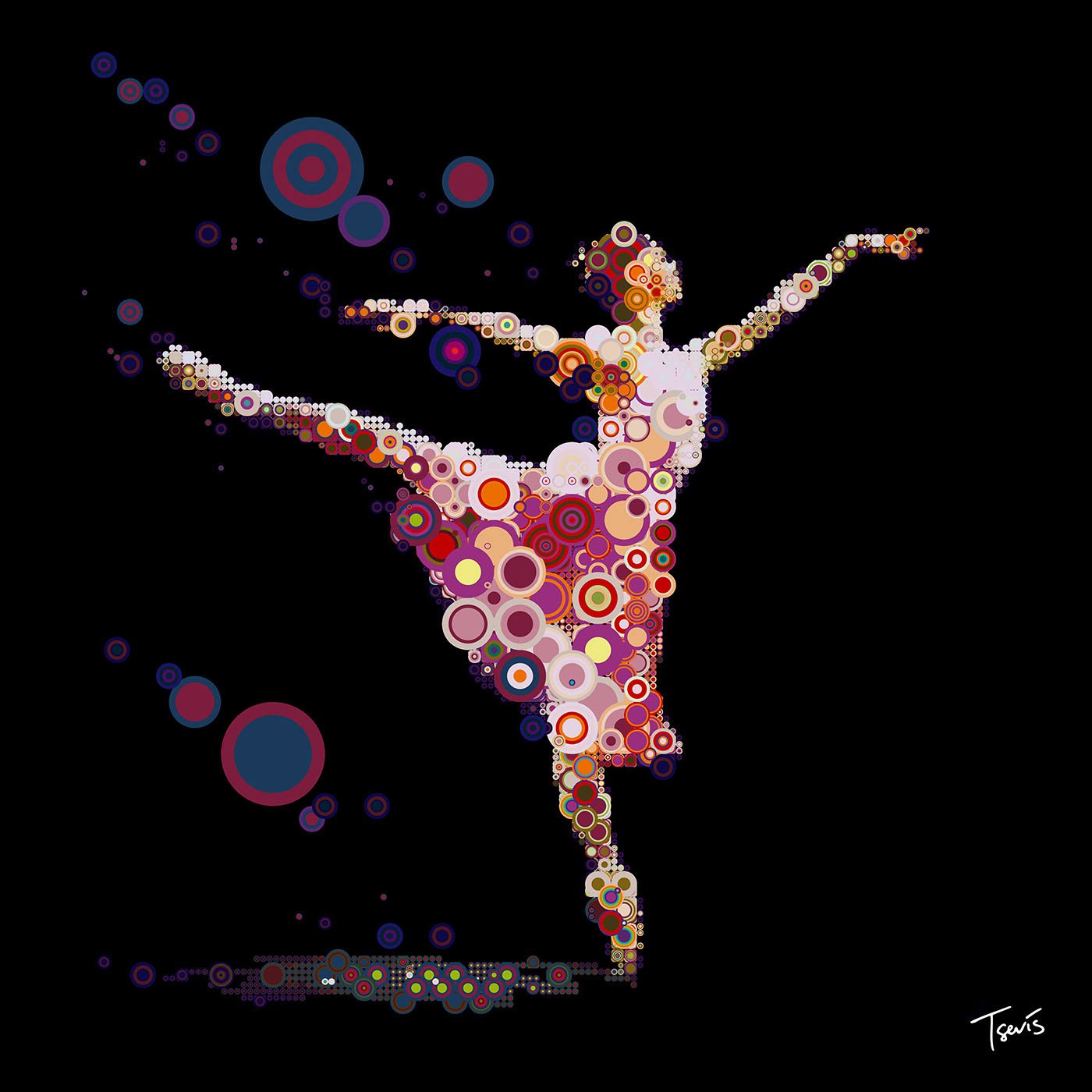
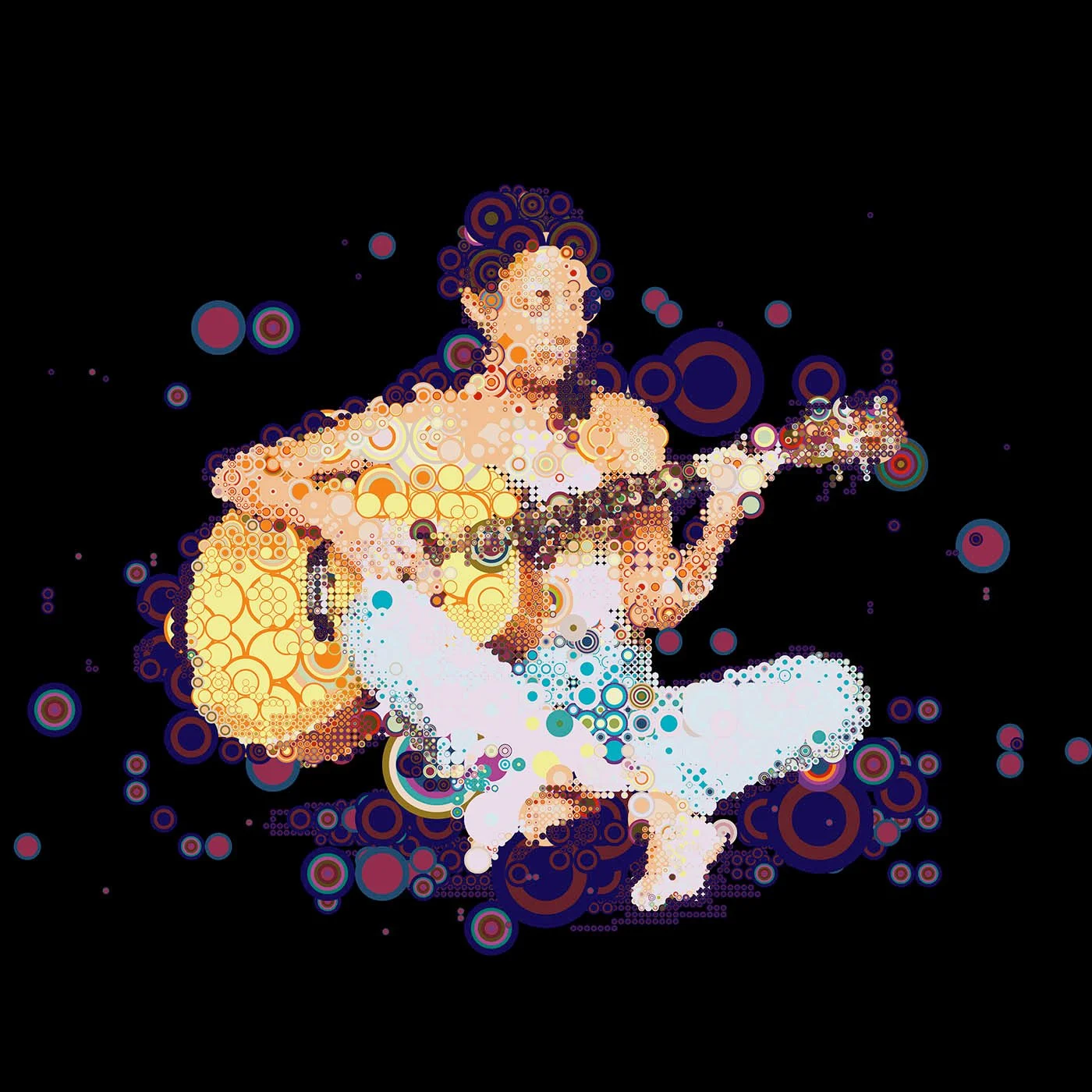
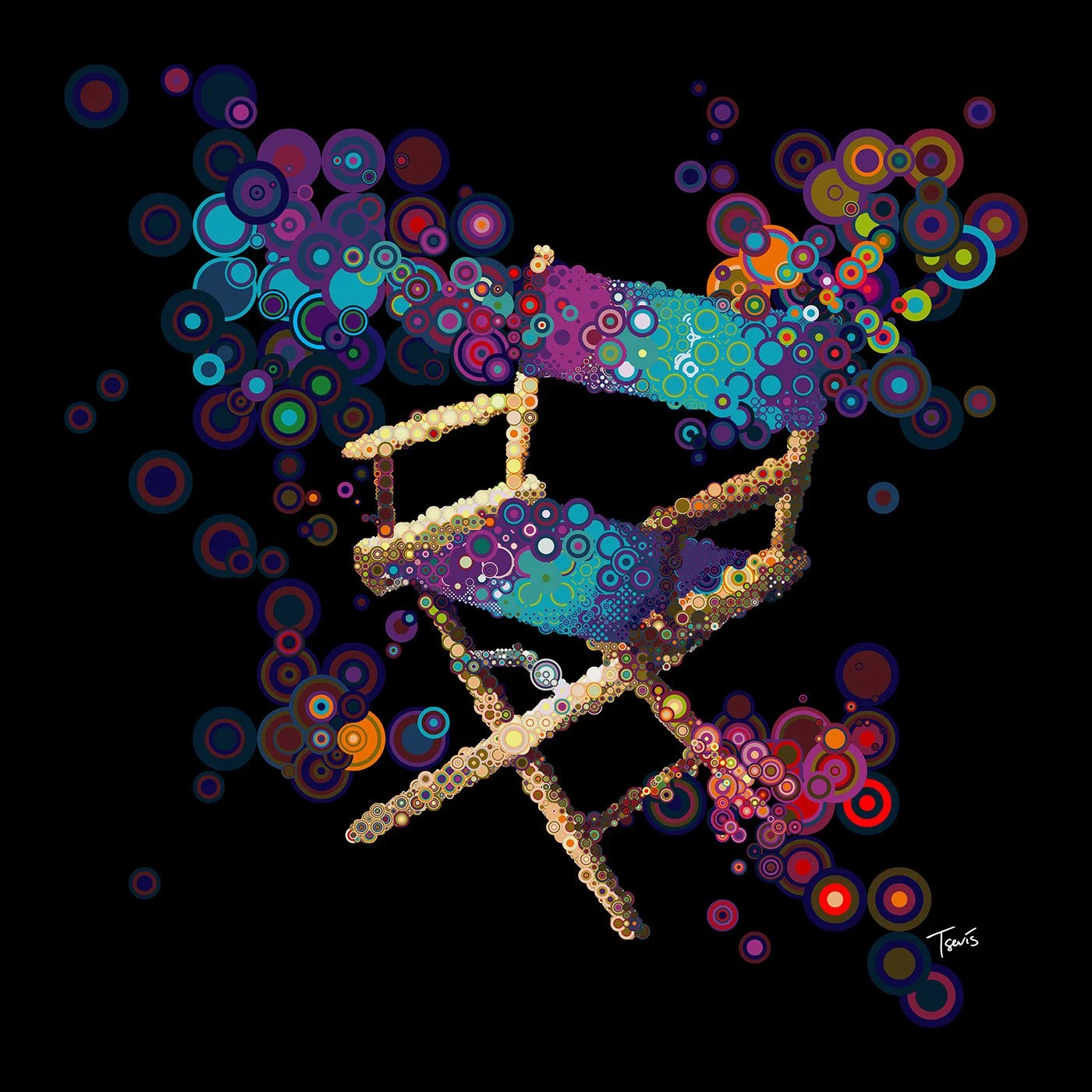
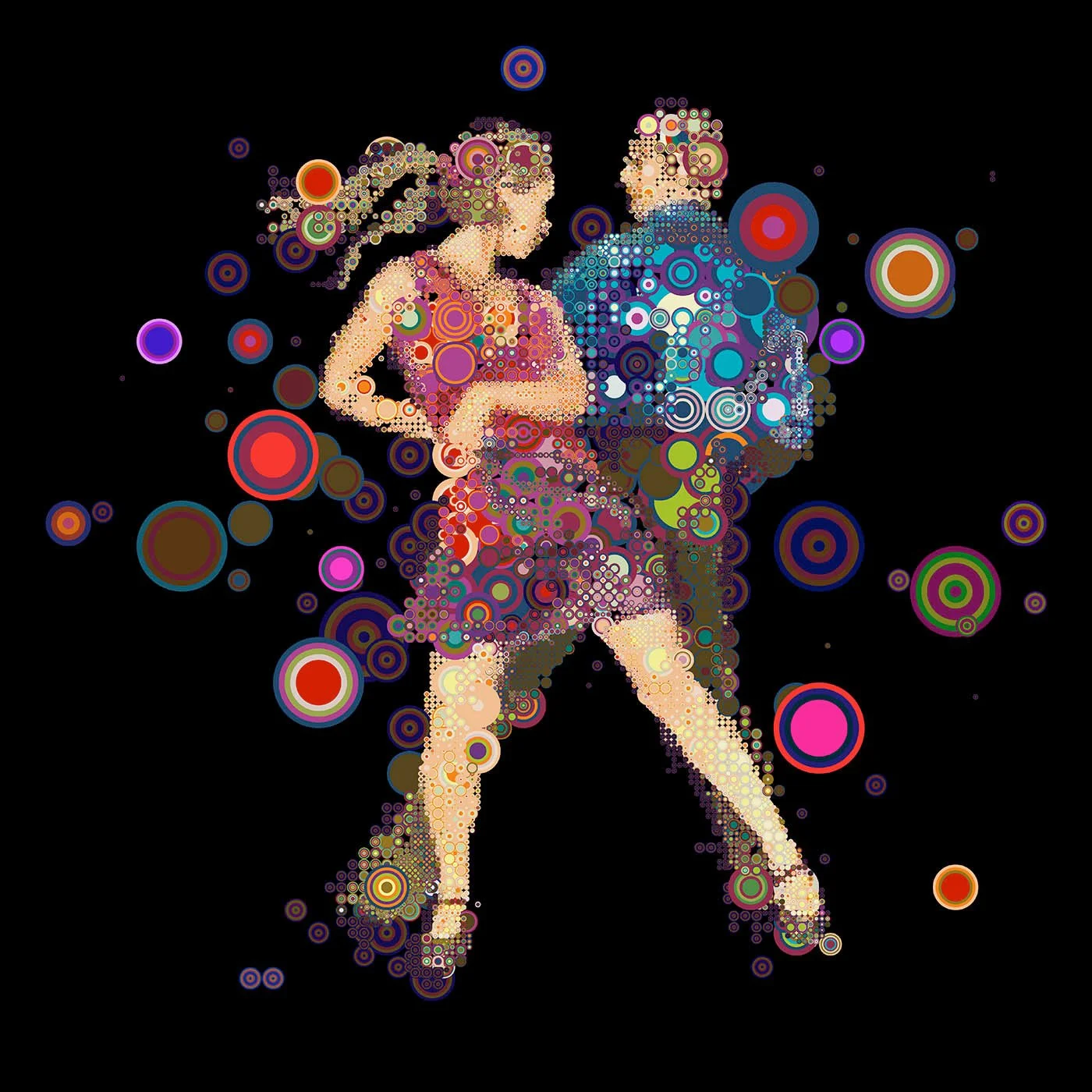
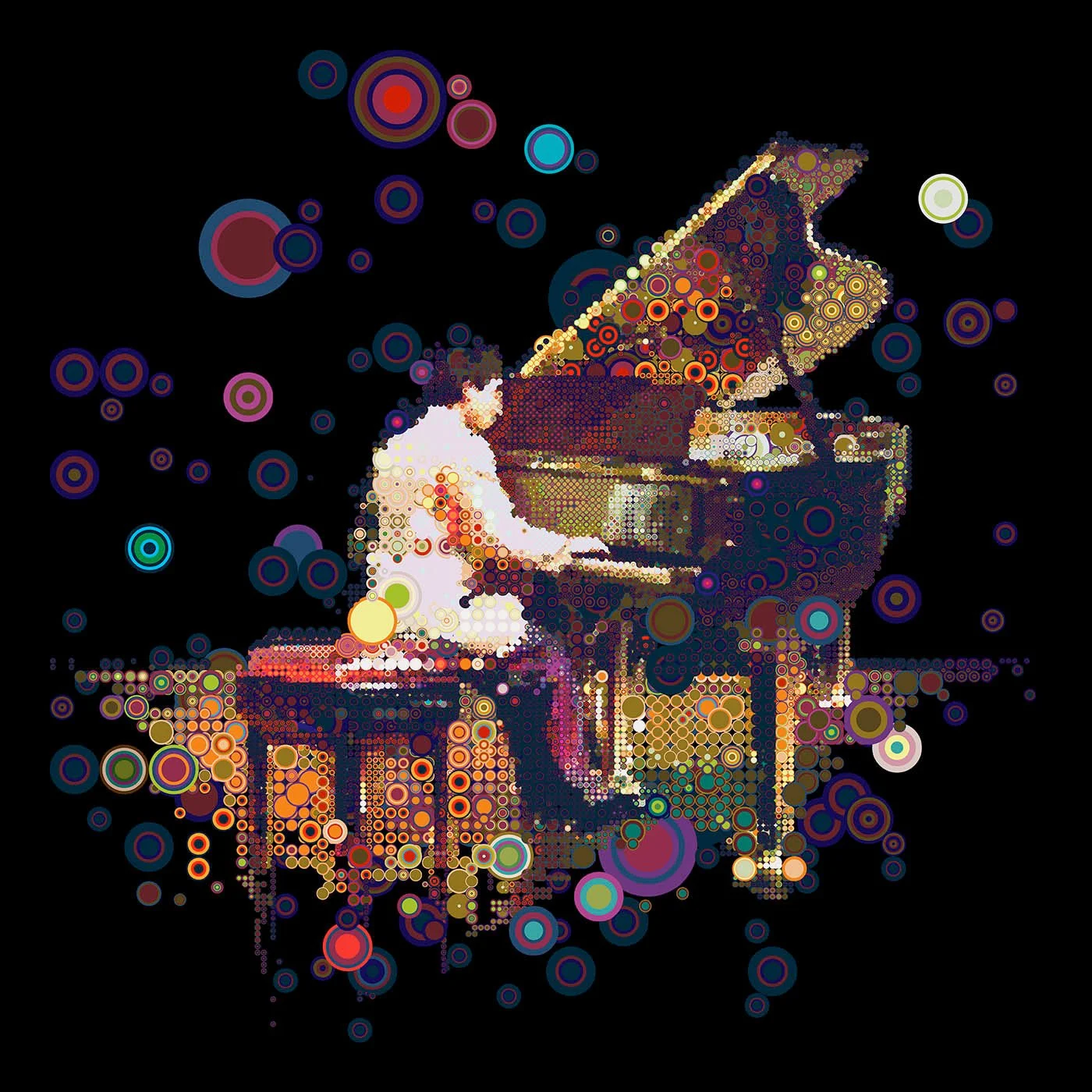
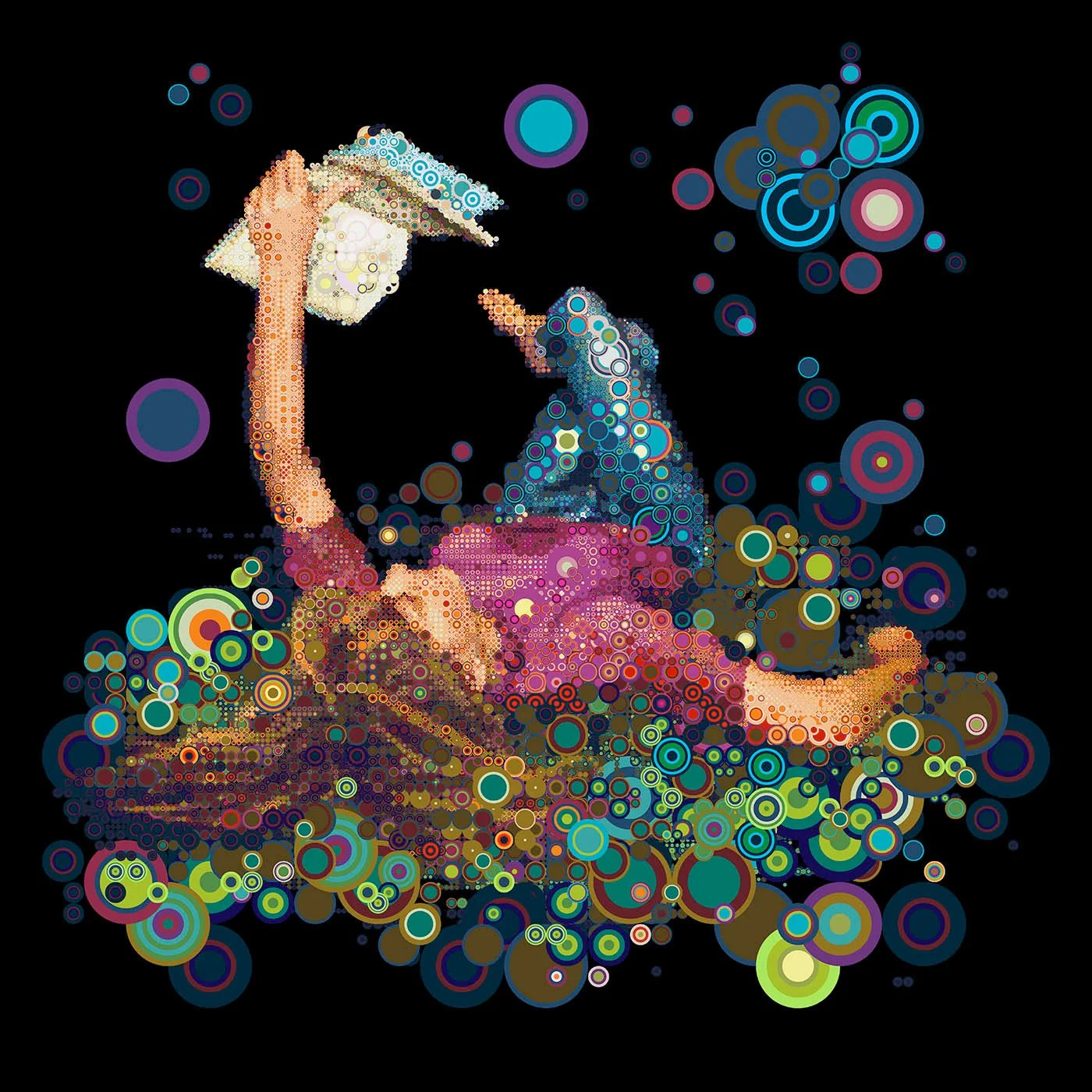
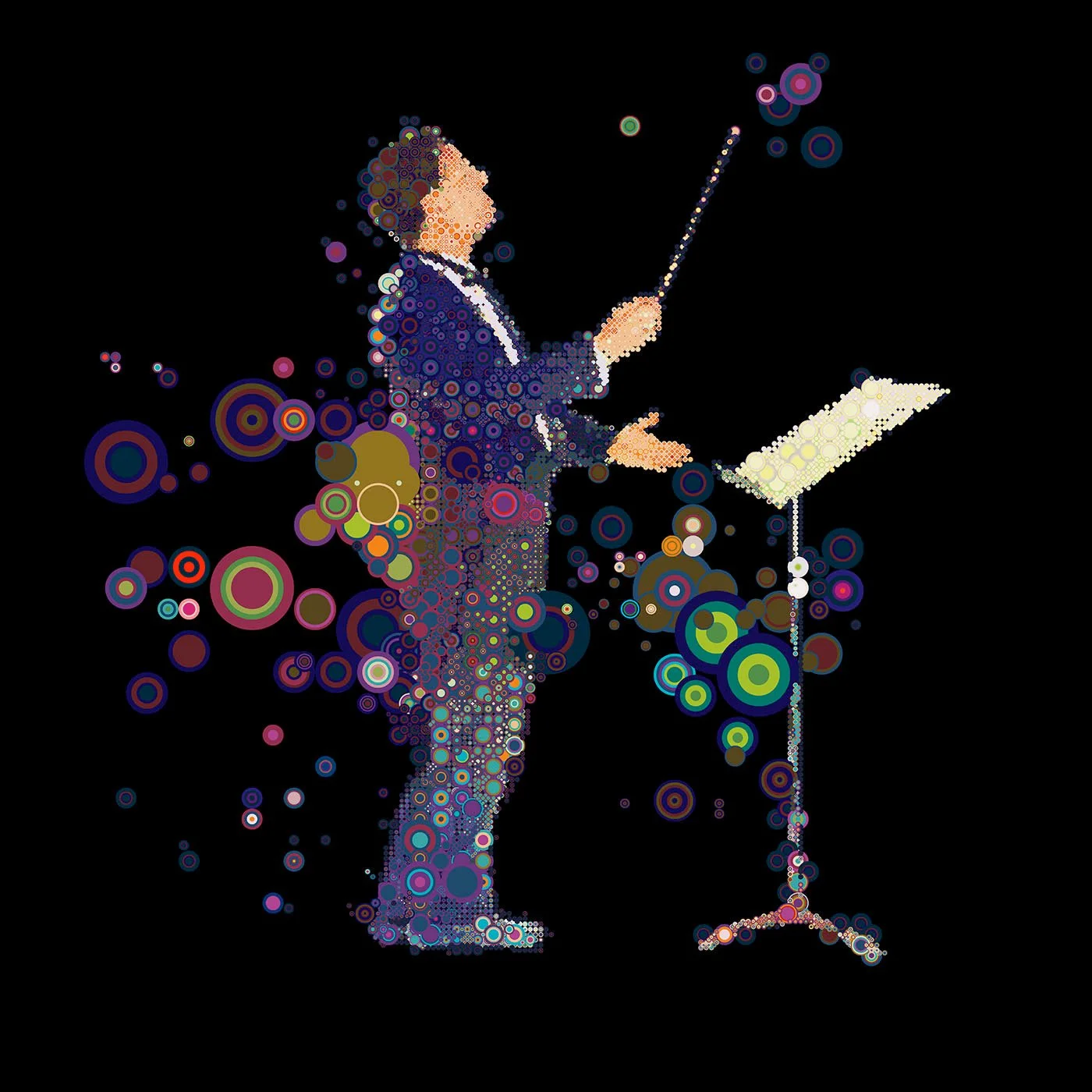
Using my evolving mosaic method, I developed portraits of musicians and abstract figures that echoed the music they represented. They weren’t just likenesses; they were interpretations. Visual arias, built from thousands of tiles and forms, each chosen and placed with musical intent.
The artwork became central to the campaign’s look and feel. It populated posters, programs, signage, and even spaces where music didn’t reach, like lobbies and lounges. And through it all, the mosaics maintained a deliberate dissonance: part human, part digital. Much like the intersection of heritage and technology that defined Brazil’s creative identity at the time.

The Machine, the Muse: A Technical Interlude
None of this work would have been possible without Studio Artist, a groundbreaking visual synthesis tool created by Hawaiian developer and conceptual visionary Joe Dalton. Synthetik's founder was a principal of OSC, the first company to bring digital audio multi-tracking to the desktop computer with Deck. Deck was also the first audio software ever to combine audio, MIDI, and video. Deck literally provided the foundation code for ProTools and later Final Cut Pro. Pretty cool, right?
More than a software, Studio Artist was a generative partner. It allowed me to compose images the way a musician writes jazz: through adaptive iteration, algorithmic improvisation, and deep stylistic layering.
I was deeply inspired by Dalton’s “graphic synthesizer” philosophy, a radically different way of thinking about image-making. Rather than treating design as something built layer by layer, Studio Artist approached visuals as living systems, reactive, expressive, and constantly in flux. It offered a freedom I hadn’t found anywhere else.
But tools are only part of the story. The real magic often lies in the community around them, and for me, that included David Nagel, one of the unsung heroes of digital artistry. Through his invaluable column on CreativeMac.com (now sadly lost to time), David published hundreds of brilliant Photoshop add-ons and was, for a while, the go-to source for quality Studio Artist content outside the official channels. His tutorials, presets, and brushes, painstakingly developed and generously shared, became essential to my creative workflow during those early years. He helped shape an entire generation of experimental digital creators, myself included.
While his original work is difficult to find today, fragments of it live on through the efforts of artists and archivists who have tried to preserve his brushes and legacy online, a testament to the quiet but powerful influence he had on the digital arts movement.
Read more from Synthetik:
Photo Mosaic ART by Charis Tsevis | Charis Tsevis’ Digital Styling | Creating Photo Mosaic Effects with Studio Artist | Generating Adaptive Photo Mosaic Effects